Out in the Sticks

Hello my friends. Back from a whirlwind weekend in Charleston, oh the things that happened! Beautiful weather, great food, the Charleston Designer Showhouse … Anyway that’s all for another day. Today, I’m going to post what I intended to post on Friday, before USAirways oversold my flight and sent me to New York to get to Charleston. 
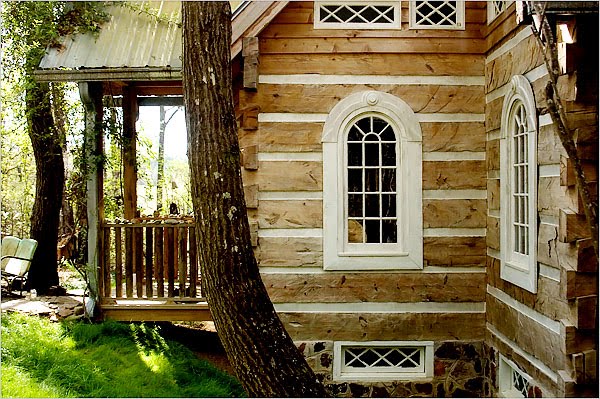
This is the rural Alabama home of Butch Anthony, an artist and the host of the Doo Nanny art festival. This home, which Anthony built himself, was featured in the NYTimes last week, and for those of you who didn’t catch it–its a must see. 
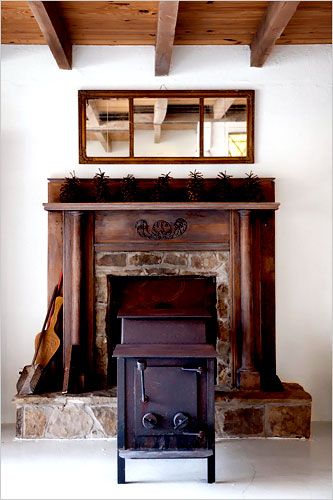
This fireplace was salvaged from a nearby ruin, and the wood burning stove provides the heat for the kitchen. 
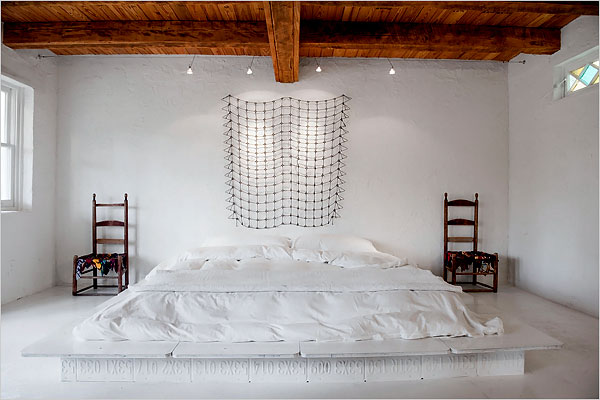
Some of Mr. Anthony’s own artworks are on display throughout the house, in this case above the bed. The bed frame is made from license plates, which are painted white, and the seats of the chairs are made of woven together men’s ties. 
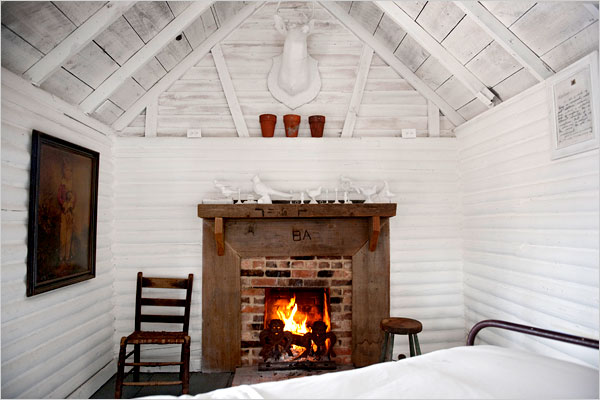
I love how white the bedrooms are. And I especially love how Anthony hung the deer head from the wall and then proceeded to paint over it. 
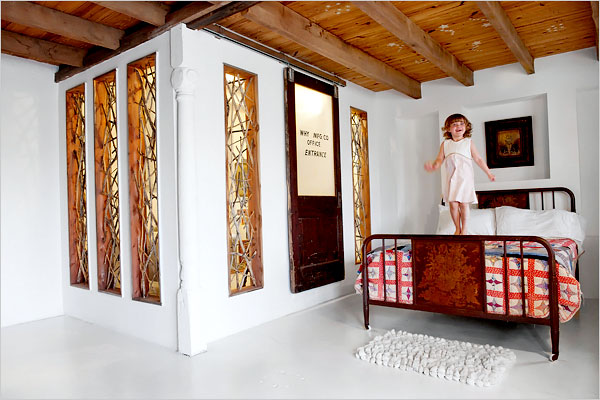
The bathroom in this bedroom is my favorite part of the house. Created from what Anthony calls “beaver sticks,” which are sticks that have been chewed by beavers, this bathroom has both the feeling of art installation and treehouse. Anthony uses the so called “beaver sticks” in most of his artwork.
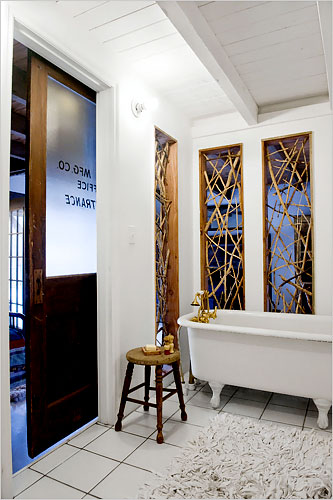
I’m not sure I love the potential lack of privacy in this bathroom, but its perfect for living out in the woods. It really adds such a beautiful visual element, and is a cool way for Anthony to incorporate his work into the home’s construction. Whaddya think? 
More Architecture

There’s no place like …

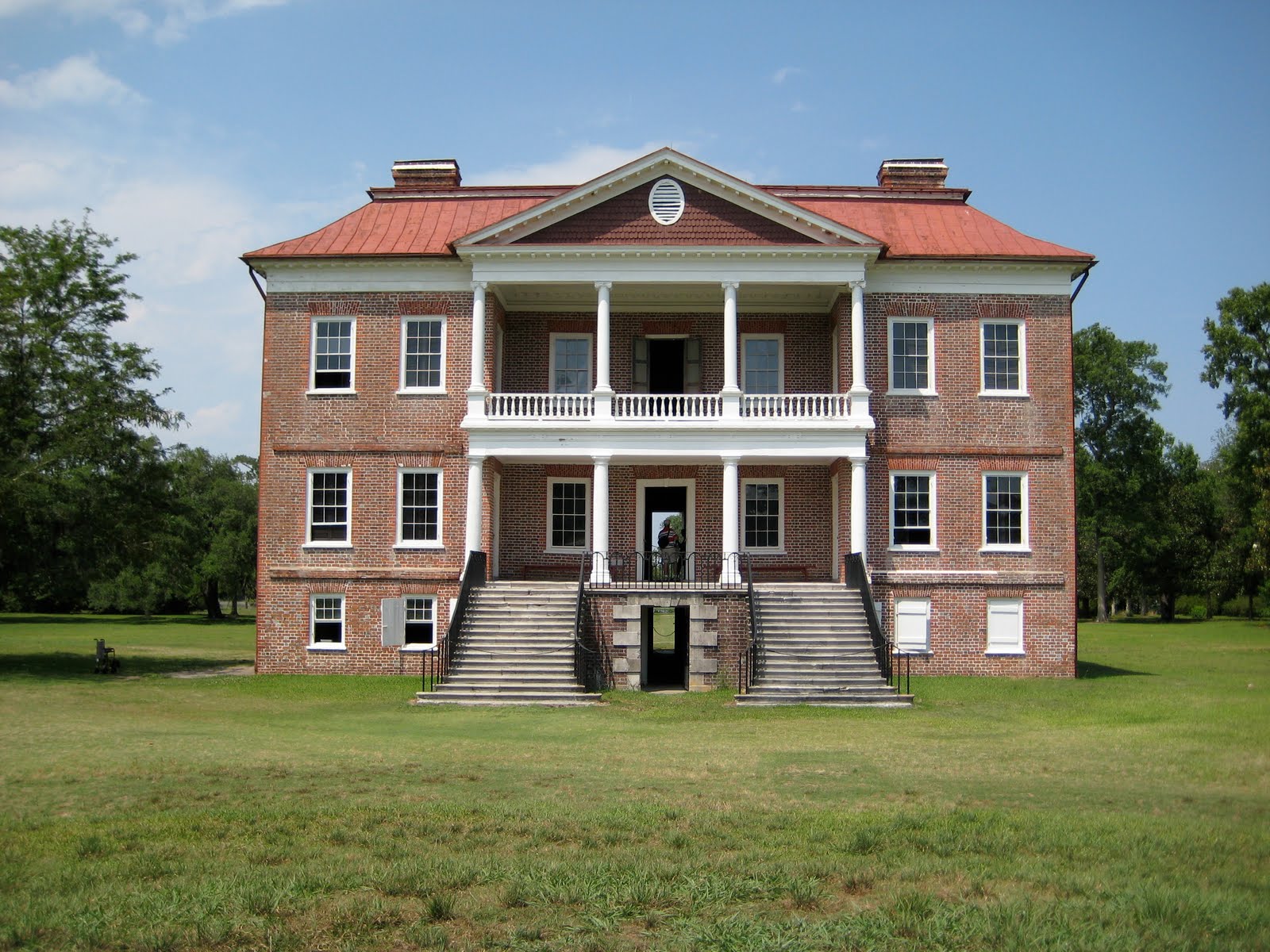
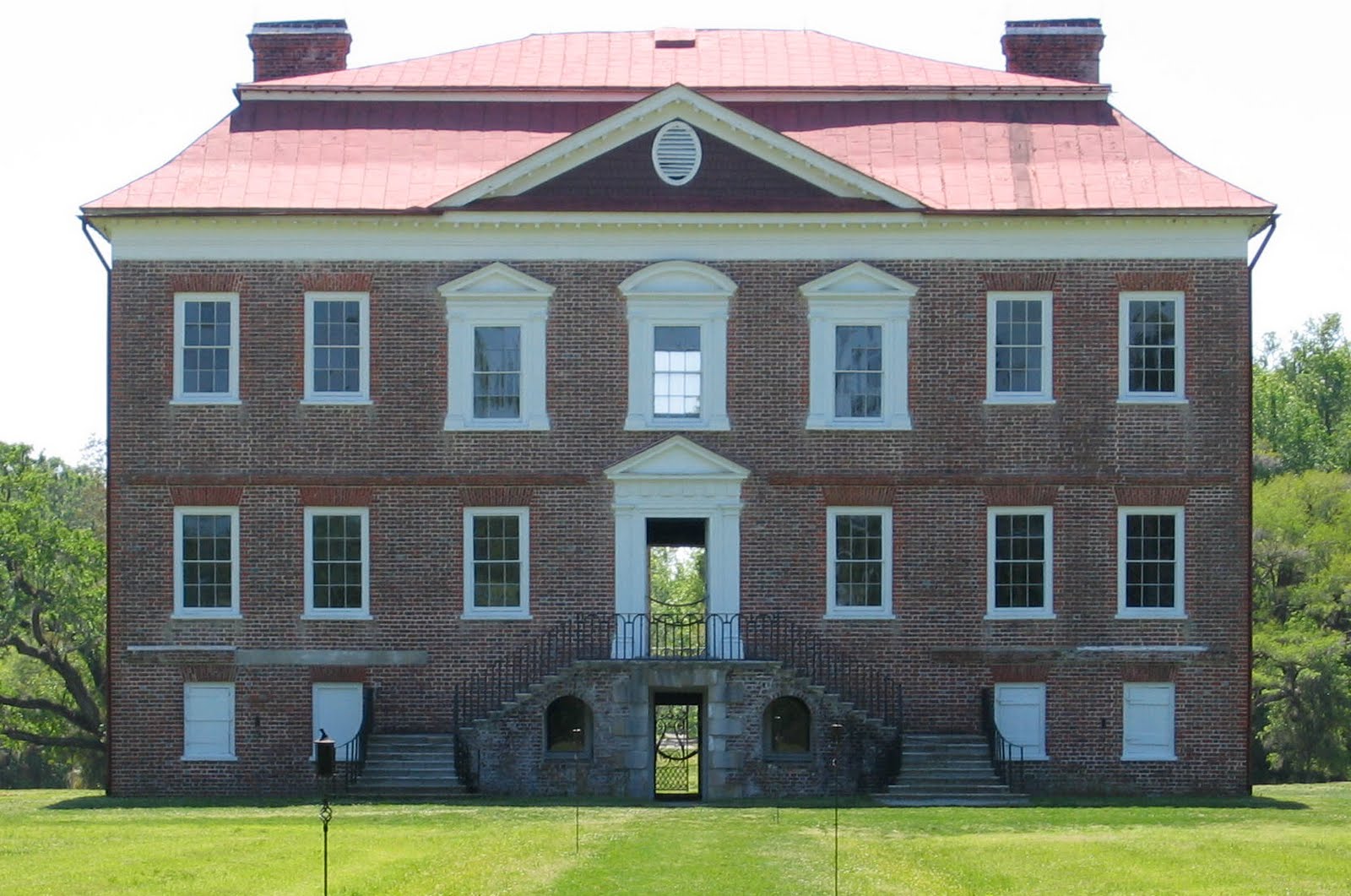
In honor of my trip to Charleston this weekend, I am going to share with you one of my favorite places in the world, which happens to be in Charleston! Drayton Hall was built in 1738 by John Drayton, a wealthy Charlestonian rice planter. The house remained in the Drayton family, relatively untouched through the 1970s, when in her will, Miss Charlotta Drayton bequethed the house to the National Trust for Historic Preservation.  Plumbing was never installed, electricity was never put in, and as a result, the house remains as it did in the 18th century. It is arguably the finest example of Georgian-Palladian architecture in the United States.  
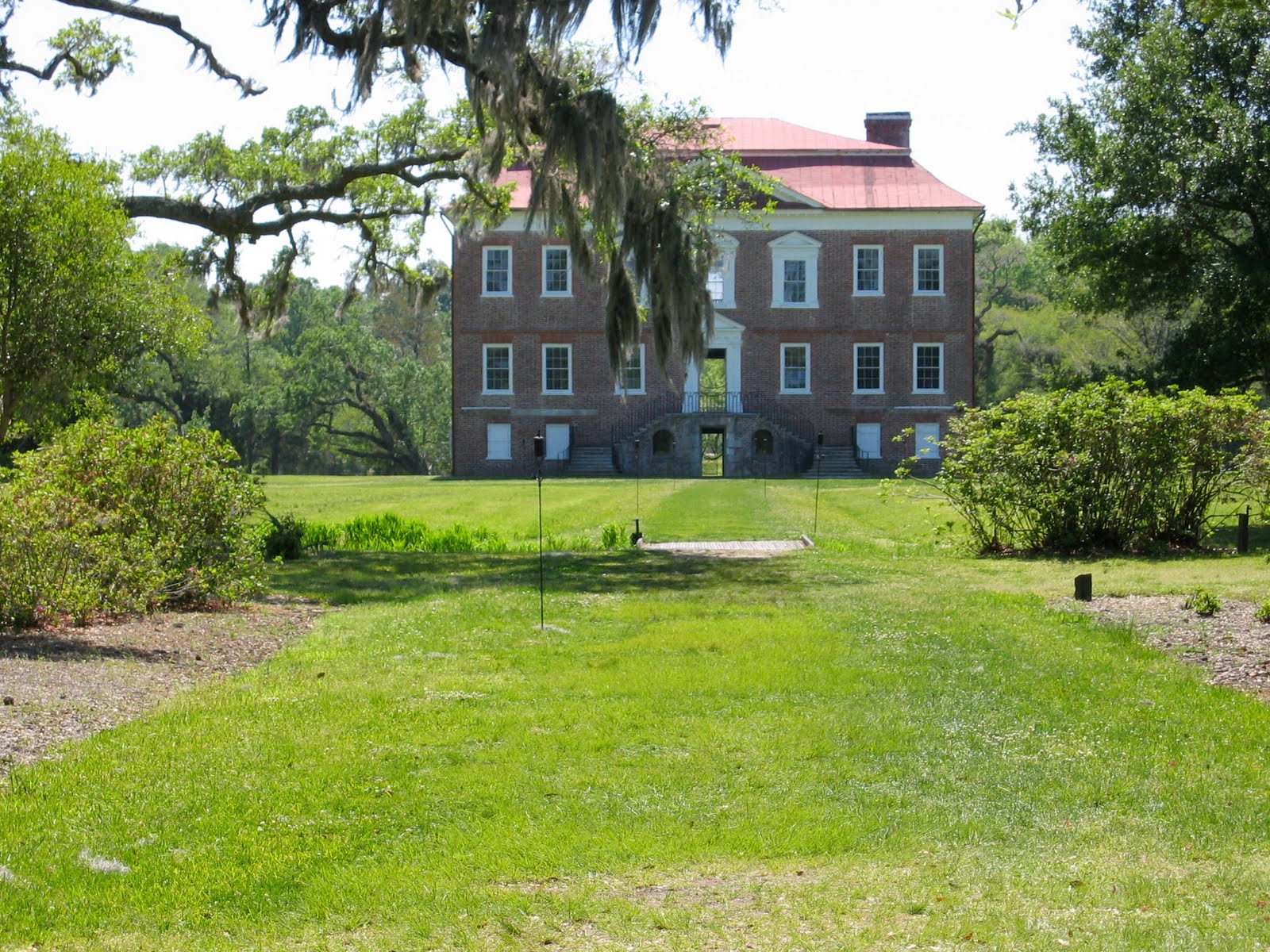
Located on the Ashley River Road outside of Charleston, Drayton Hall has a prime piece of real estate on the banks of the Ashley River. This photo above is what is referred to as the “land front” of the house … or the facade that faces the entrance from the street. The first photo shown is the river front of the house, which faced the Ashley River.
  
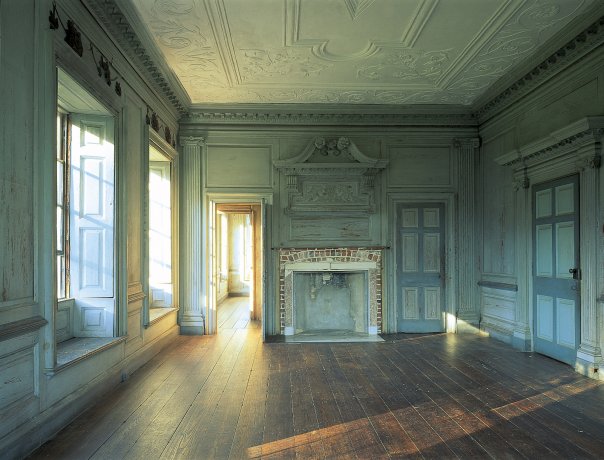
The Ionic Drawing Room on the first floor of Drayton Hall. This was one of the most formal rooms in the house, indicated by the use of the Ionic Greek order. Prior to the Trust’s acquisition of the house, it stood vacant for a few years. During this time, looters made away with pieces of Drayton Hall, most importantly the mantelpiece in this room. 
This is the mantel from the first floor great hall. The design of this mantelpiece was pulled almost directly from the famous 18th century pattern book, The Designs of Inigo Jones by William Kent. 
This is the staircase that leads to the second story on the river front side of the house. The pieces of the staircase are all hand carved mahogany. 
The doorway under the stairwell that leads from the riverfront entrance of the house through to the first first floor great hall. The ceiling of the great hall has a ceiling medallion made of cast plaster pieces that were then applied to the ceiling. This was a later 19th century addition to the house. 
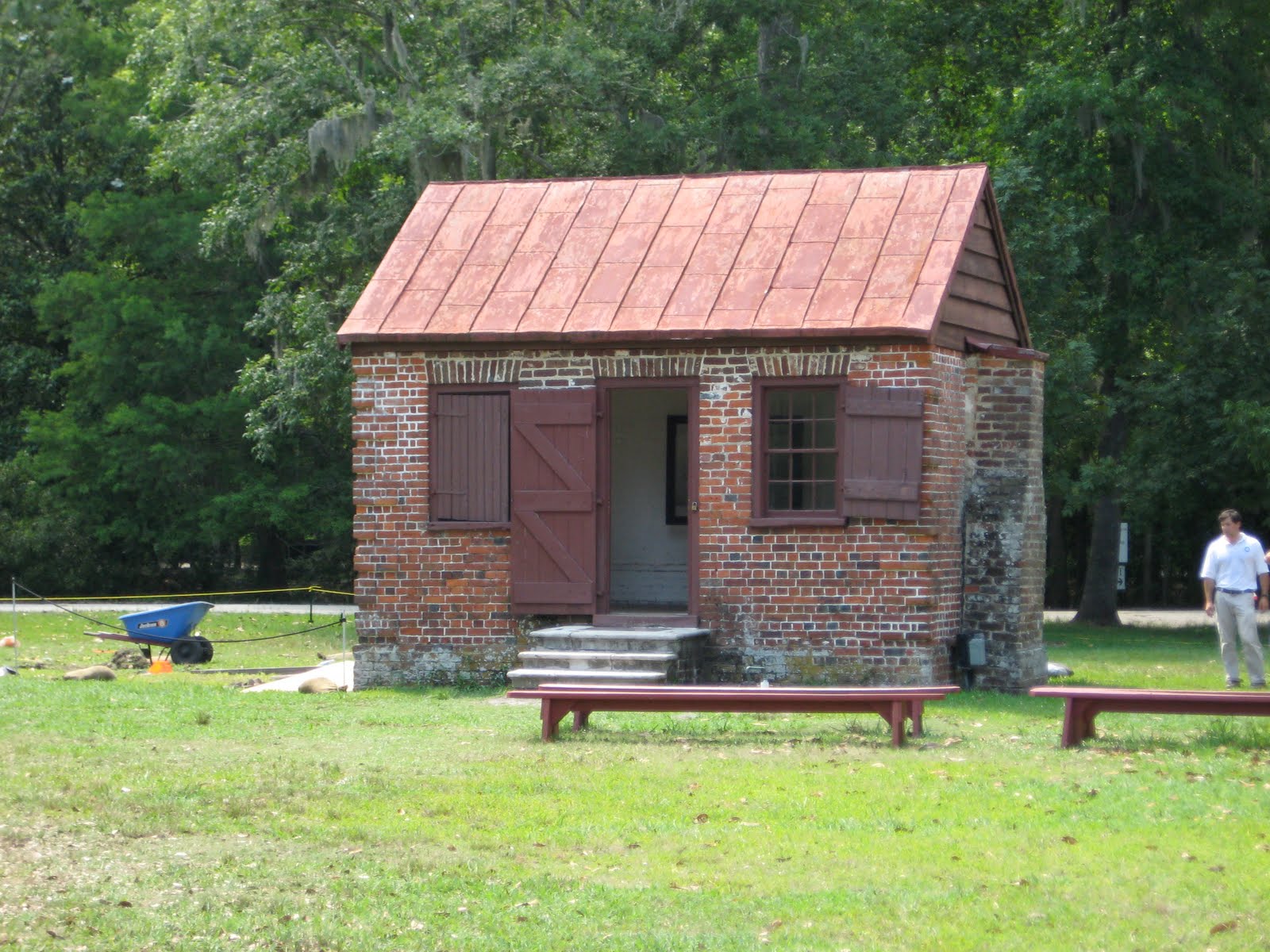
One of the smallest (and most important) buildings on the property, the privy. For those of you who don’t know this is the bathroom–and this one had more than one seat on it! My first job in preservation was doing an archeological excavation of the privy drainage system. Cool huh? 
Maybe its because working in the preservation department at Drayton Hall was my first job, or maybe its because of its stunning Georgian-Palladian architecture, but Drayton Hall is one of my all time favorite places on earth. If you ever get to Charleston, take the 20 minute drive out to Drayton Hall, because it is an experience not to be missed. 


And for those ladies out there who are planning a wedding, like my blogger friend Katie over at the Neo-Traditionalist, Drayton Hall is also a wedding venue! For those of you more interested in that, check out StyleCourt’s post featuring weddings by Tara Guerard.

More Architecture

Down the Rabbit Hole

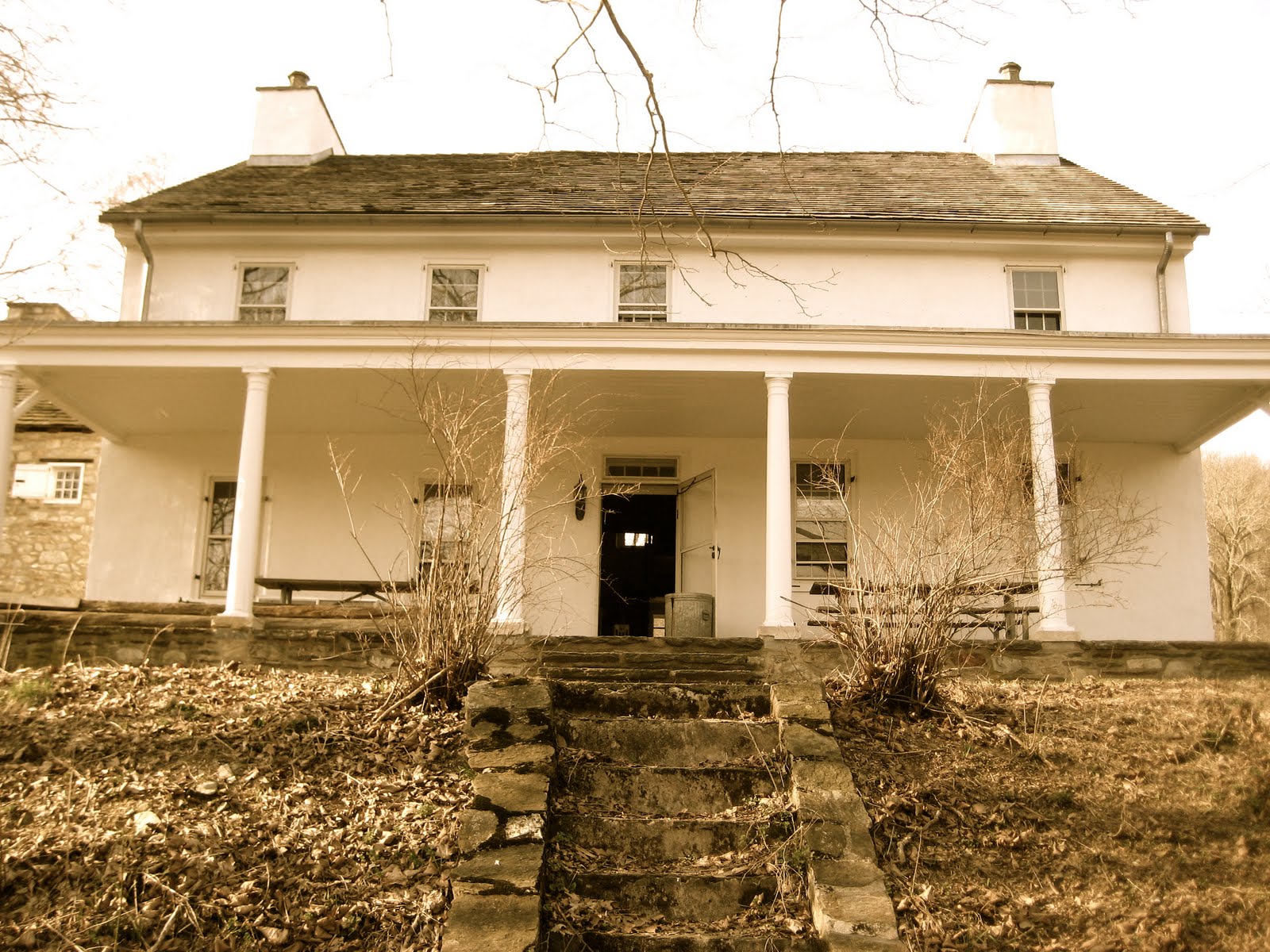
It occurred to me that I haven’t posted anything recently that would appeal to my fellow preservationists, or just to my fellow lovers of architectural history. So today, partially because of the weather and partially because of my mood, I am going to share some pictures that I took out at Valley Forge. There is something about a building that is essentially in ruins that has an air of mystique, which for whatever reason, feels appropriate today. 
Knox’s Quarters – Valley Forge, PA
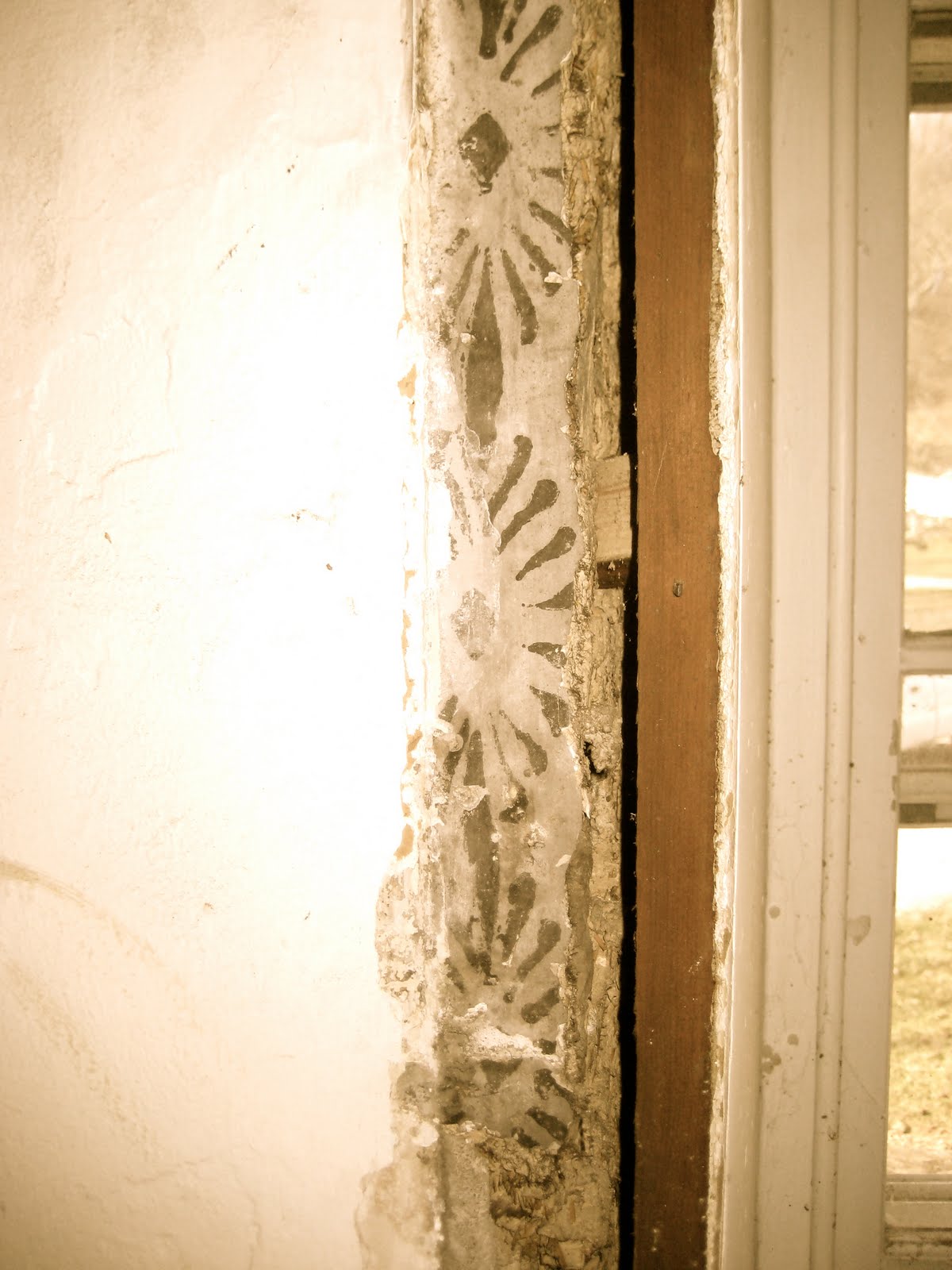
Remnants of a hand  painted wall treatment along an original window frame. 
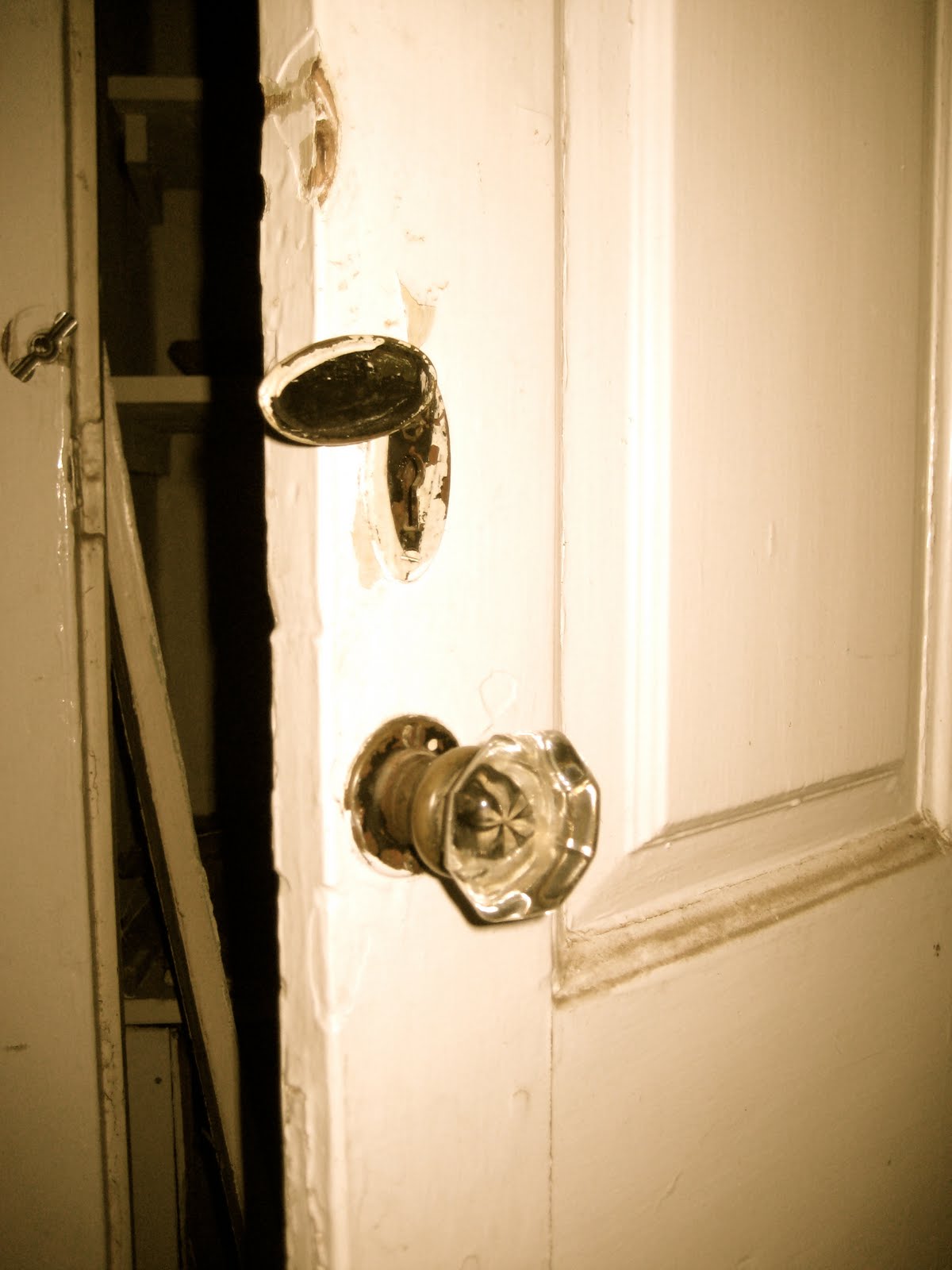
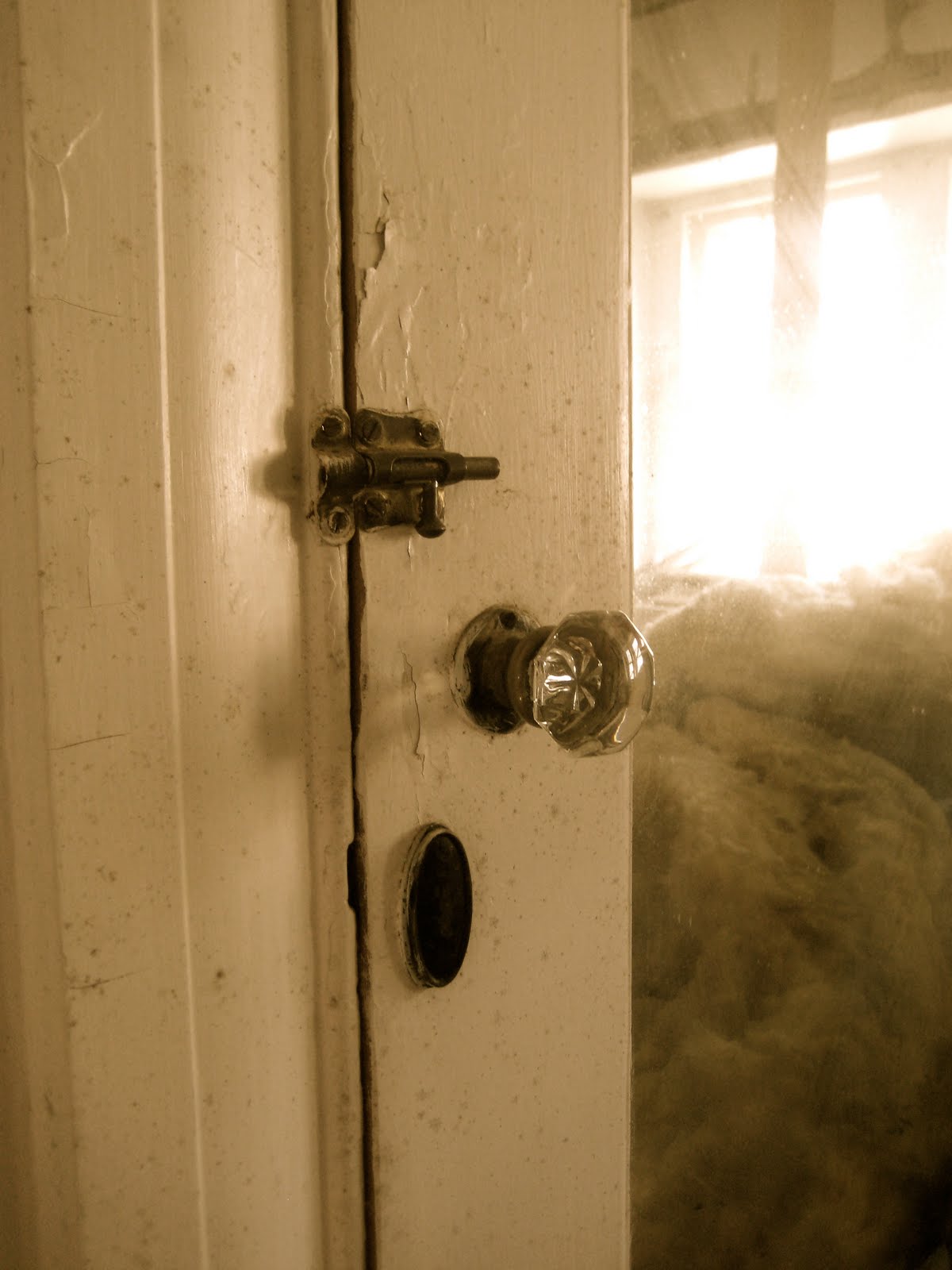
I am always intrigued by antique hardware. 
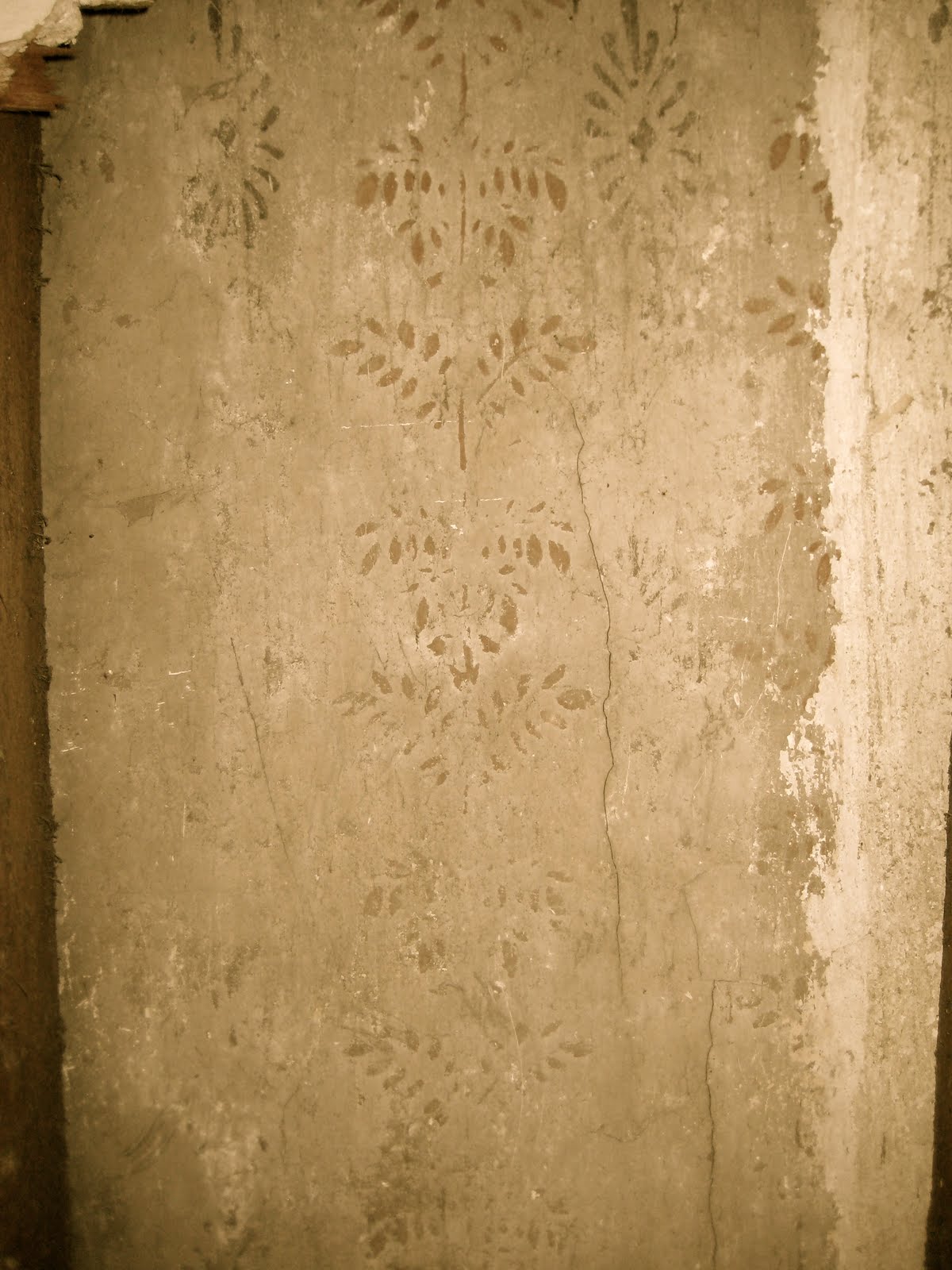
More remnants of the wall painting. 
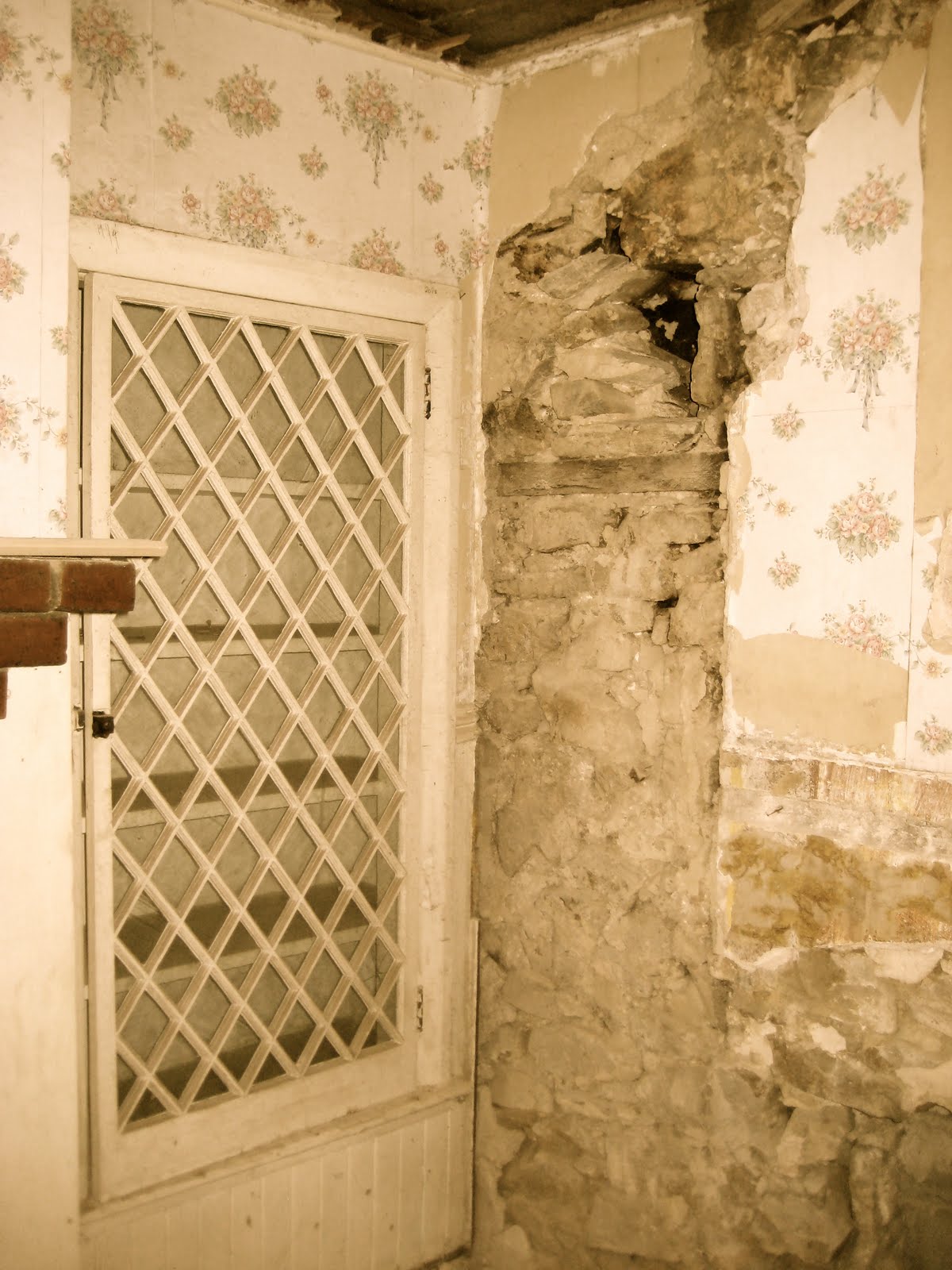
I loved the diamond panes of this built in cabinet. That hole in the wall is where the original mantelpiece beam would have rested. 
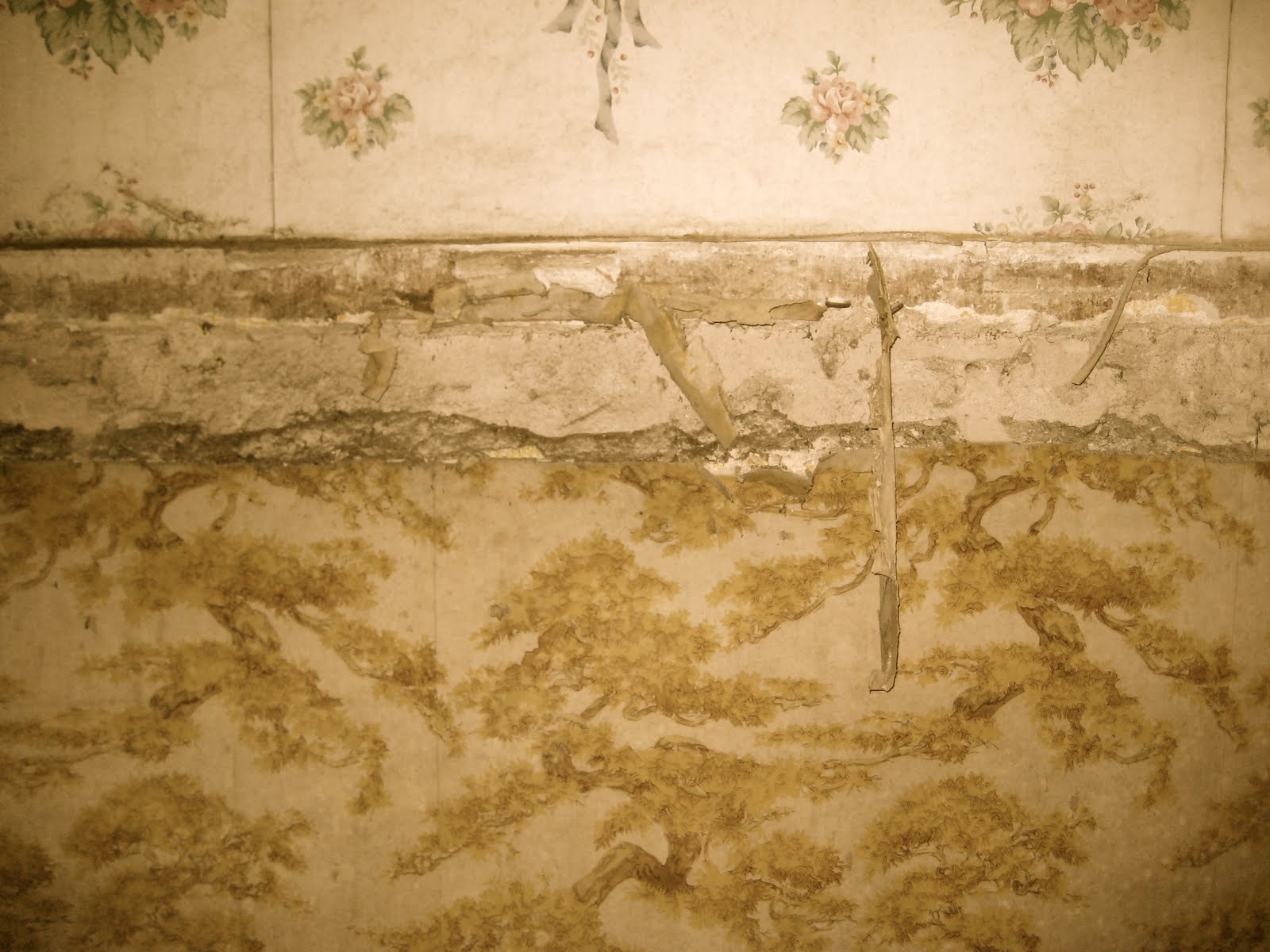
2 different generations of wallpaper–both floral, but with totally different aesthetics. Although I would never use a mustard color on walls, I do like the shape and flow of the trees in the wallpaper below the missing chair rail. 
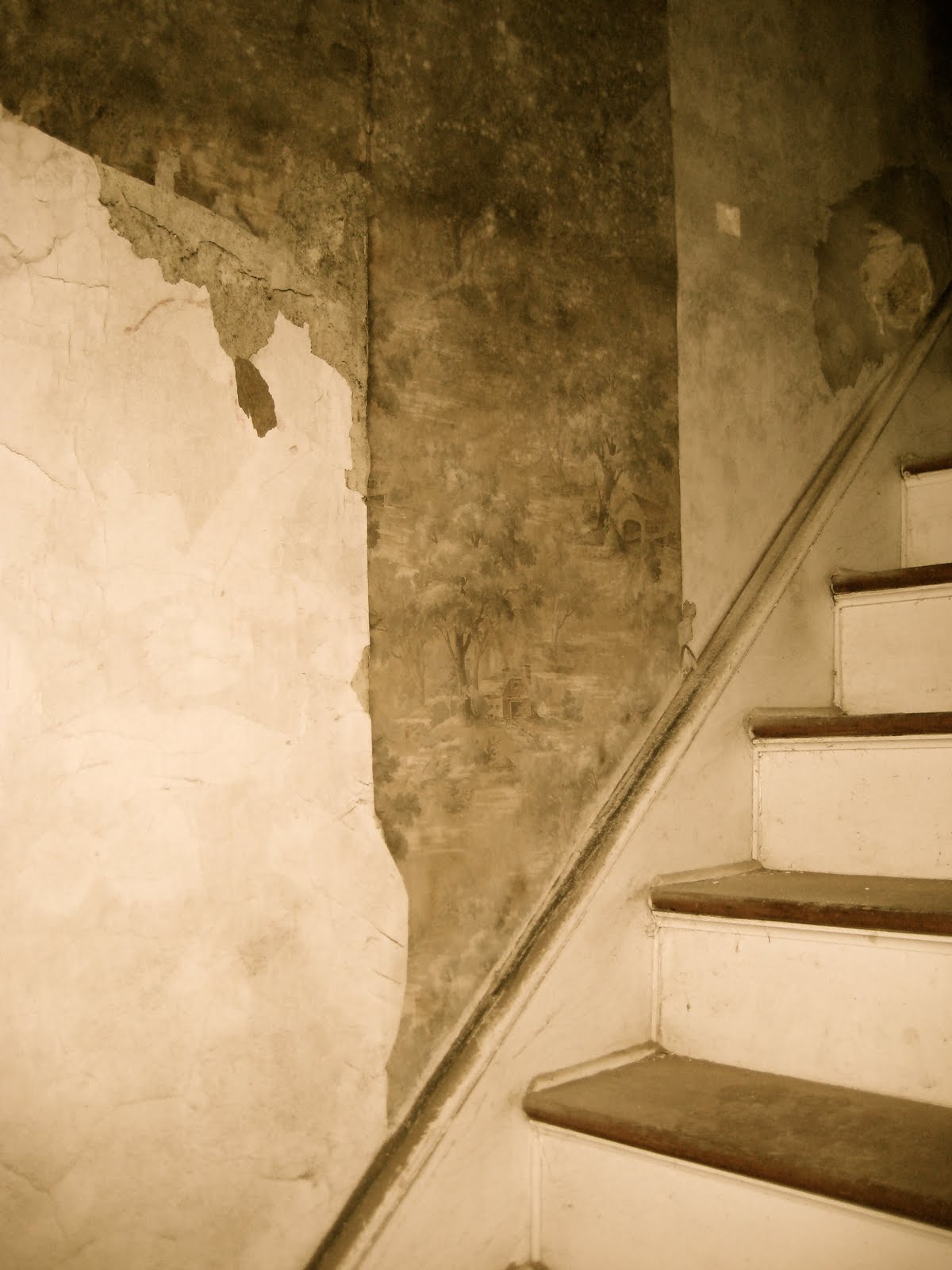
I was absolutely fascinated with this wallpaper. For whatever reason I took tons of pictures of it. It seemed to be peeling in all the right places to give it a really interesting affect. 
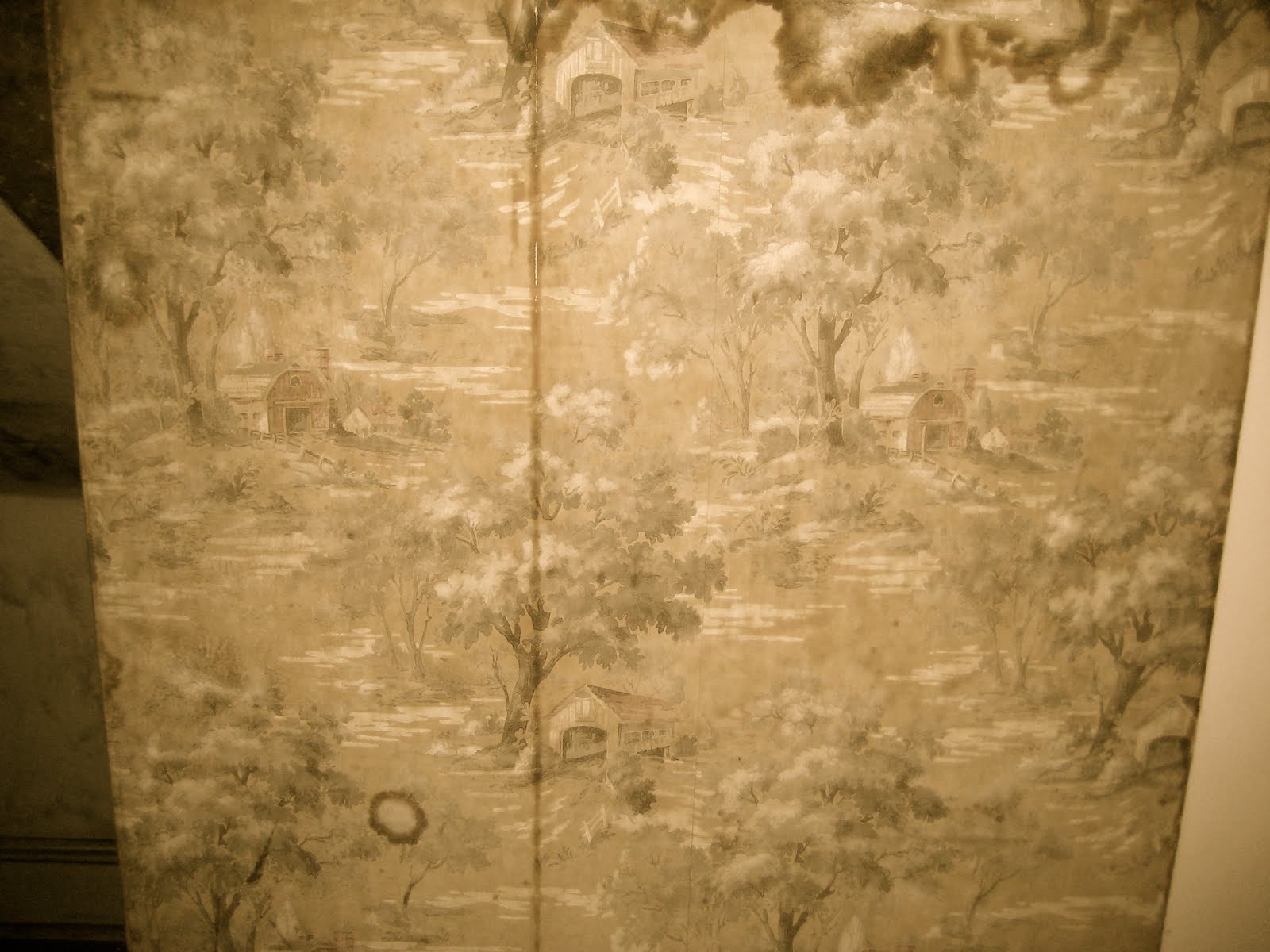
Here is a closeup of that wallpaper. What it shows are vignettes of trees and barns or covered bridges .. its hard to tell.  However, there is a covered bridge down the road from the house, perhaps it is a reference. 
I should probably put together a file of all the hardware that I have photographed. 
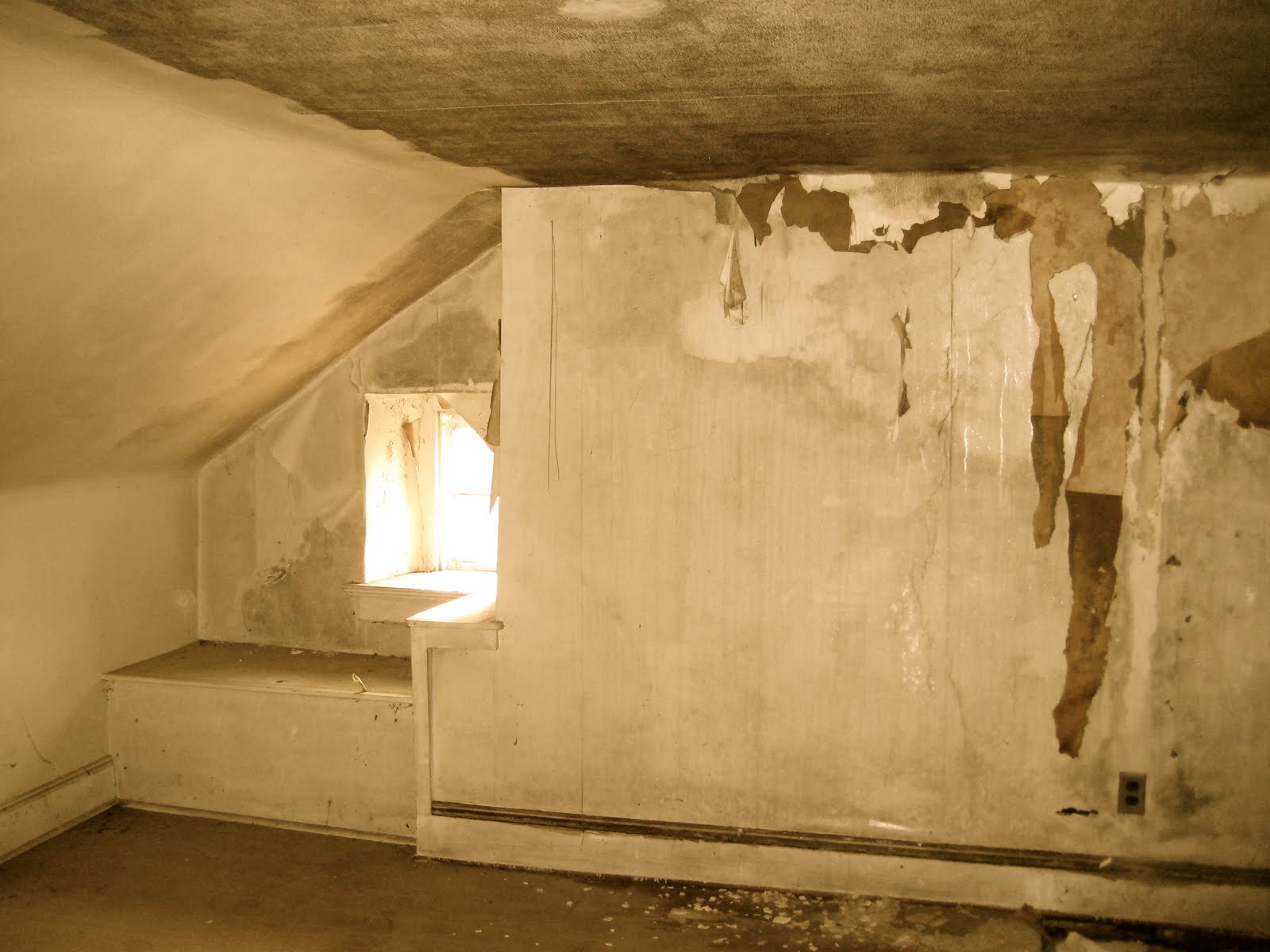
This attic room felt like a set from Grey Gardens.
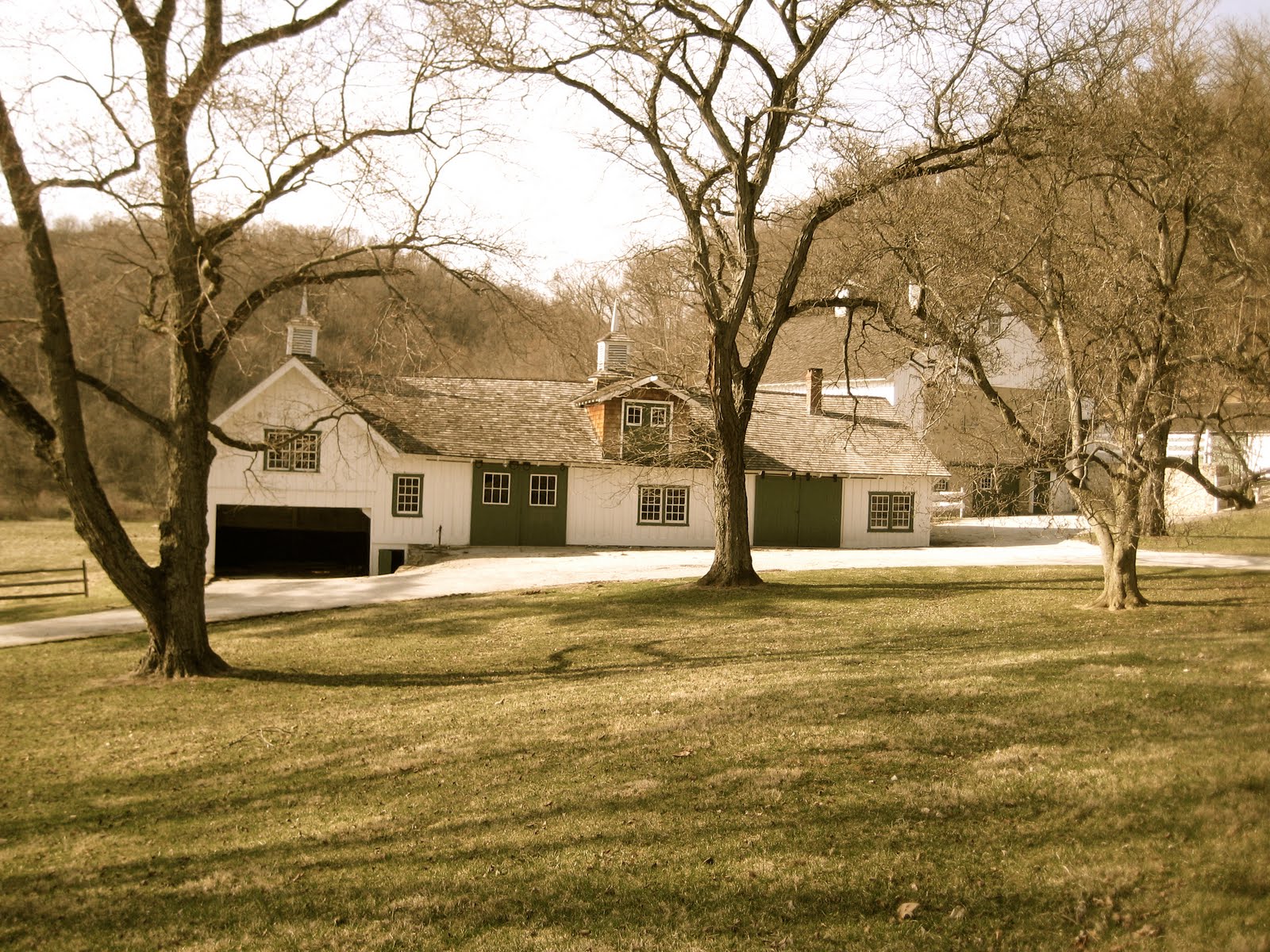
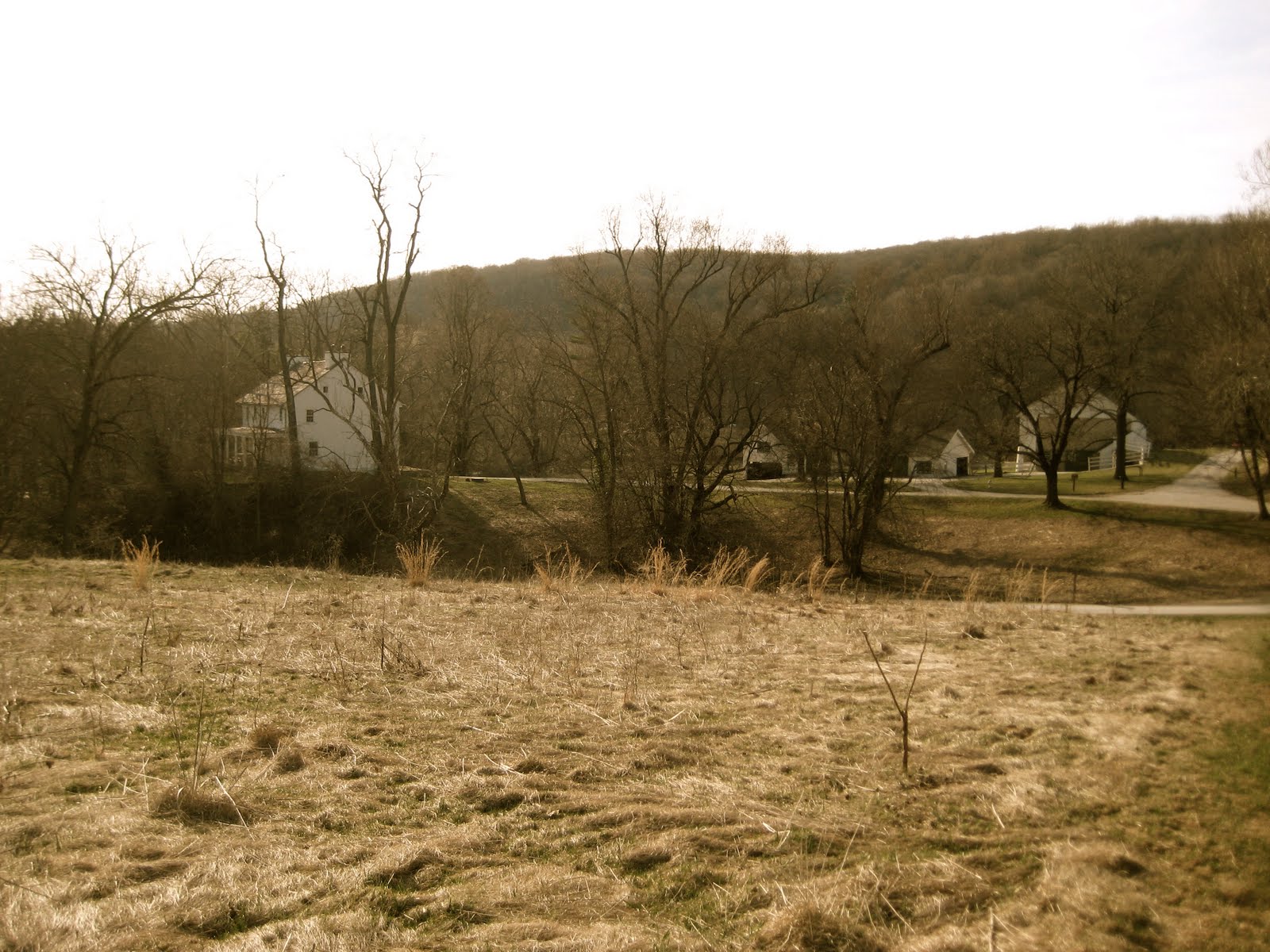
A view of the barn from the house. If that isn’t picturesque!
Built in the early 18th century, and continuously added on to through the 1920s, Knox’s Quarters was the home of John Brown and his family, and served as the headquarters of Brigadier General Henry Knox, Washington’s artillery chief during the encampment.  

More Historic Preservation