
Cocktail Hour & Campaign Furniture

If you have not yet read Cocktail Hour Under the Tree of Forgetfulness, I highly recommend it. It is a story about life in Africa, and stories like that are always exciting. This story, unlike West With the Night or Out of Africa, provides a little more comic relief. Reading this book has put me in the mood for British Colonial decor. A style I have always admired, I am hoping to incorporate it into the design scheme of the Charleston house. 
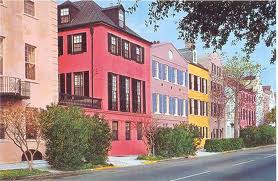
This is in fact extremely appropriate, because Charleston is often thought of as part of the Caribbean – made clear by areas of town such as Rainbow Row above. Instead of arriving directly from Great Britain, most of Charleston’s early settlers came by way of the Caribbean; and unlike many of the settlers arriving in New England, these early Charlestonians came to South Carolina already wealthy Caribbean landowners. 
These British ex-patriots arrived in Charleston already well versed in the trials and tribulations of living in a hot and humid climate. Taking a cue from the homes that they had built in the Caribbean, or rather some of the mistakes they had made, Charlestonians built houses that faced south with double and triple height piazzas so that they might take the utmost advantage of the breezes coming off the harbor. It is in keeping with this British Colonial history of Charleston that I look to British Colonial decor of the Caribbean for inspiration. 

One cannot really admire Caribbean decor without looking to India Hicks. Daughter of the late great designer David Hicks, and a flower girl at Princess Diana’s wedding, this Brit has made her life in the Caribbean, incorporating all of the things that I would like to see in the second bedroom in Charleston. Campaign furniture, such as the chest in the photo above, is a must – and caned furniture like the bed in that photo is an added bonus. 
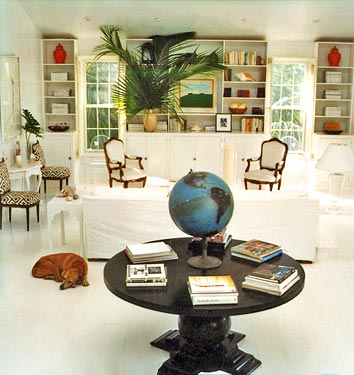
Books are everywhere, and the floors are painted white – notice the lack of rugs. The all white scheme helps with the heat, and the palm fronds bring the outside in. I love the contrast of dark antiques with the white walls, floors, and upholstery. 
Ah, yes, and one of my favorite aspects of campaign furniture … that it is portable! Again the contrast of the dark wood folding chairs against the white table cloth and porch – wonderful. So far I only have antique campaign bed side tables in place … but I’m getting there. 

More Architecture

New? Who Knew?

The Louvre – Paris, France
We all know what building this is … The Louvre, in Paris. For those of us who have been there, we adore it, and for those of you who haven’t, you’re dying to go. Although I would love to chat about art and Paris – today I hit you with a little preservation theory. Extremely modern additions to historic buildings, specifically public buildings. 

Akademia Park Officium – Hungary
Some of these buildings may challenge your aesthetic. On the outset you may have preferred an addition or renovation that was in keeping with the building’s original character, but upon closer inspection you may begin to feel differently. Although often bold and extremely modern, these contemporary additions don’t feel as though they are stealing the limelight from the historic building. 
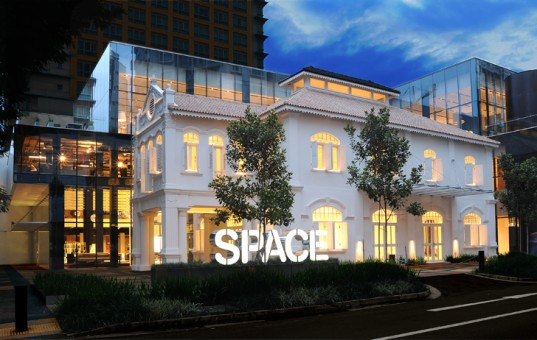
Space Asia Hub – Singapore
On the contrary, the contrast between the two structures often allows the original historic fabric to shine and feel even more special. Older public buildings tend to have an excess of architectural detail, and set against the backdrop of a glass and steel cube, those details really pop. 

Boston Public Library – Hyde Park Branch
Without delving too far into preservation theory on a Friday morning, these contemporary additions to historic buildings place huge emphasis on the idea that we should not falsify history. An addition such as the ones pictured here makes it very clear to the visitor/viewer which part of the building is old, and which part of the building is new; whereas in an addition which utilized classical building technique, the relative age of the two structures would not be apparent to the passerby. 

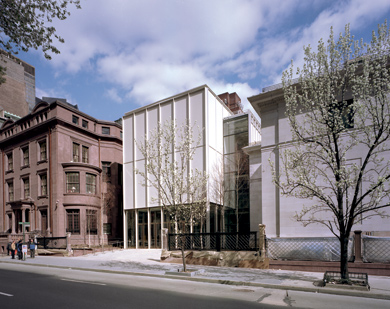
Morgan Library – NYC 
Typically more popular in Europe where historic architecture is plenty, and modern design aesthetic abounds, these projects are finally becoming more popular in the US, such as at the Morgan Library here in NYC. 

Morgan Library – NYC 
So for all of you out there who thought preservationists only cared about the old buildings themselves, its about how we move forward with the use of these historic buildings for the future that really counts. 

More Architecture

A Victorian Home with a Spartan Sense of Style

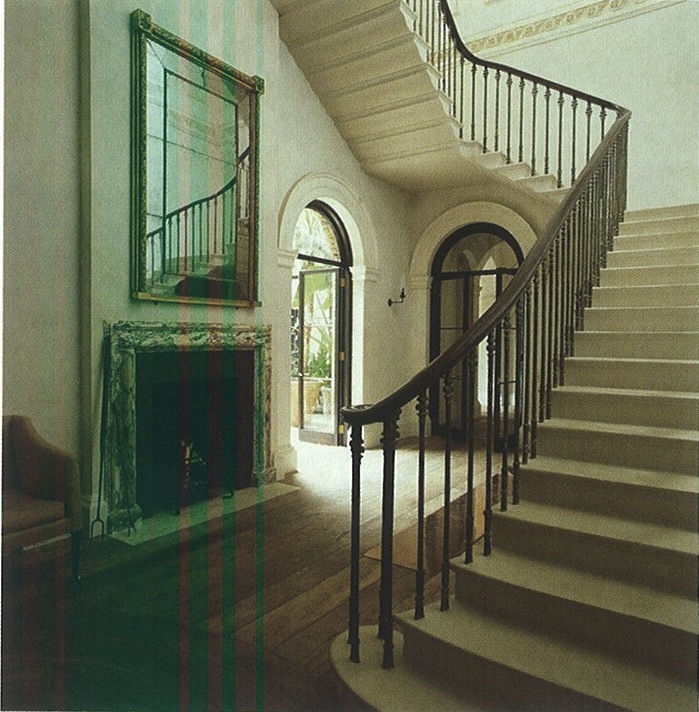
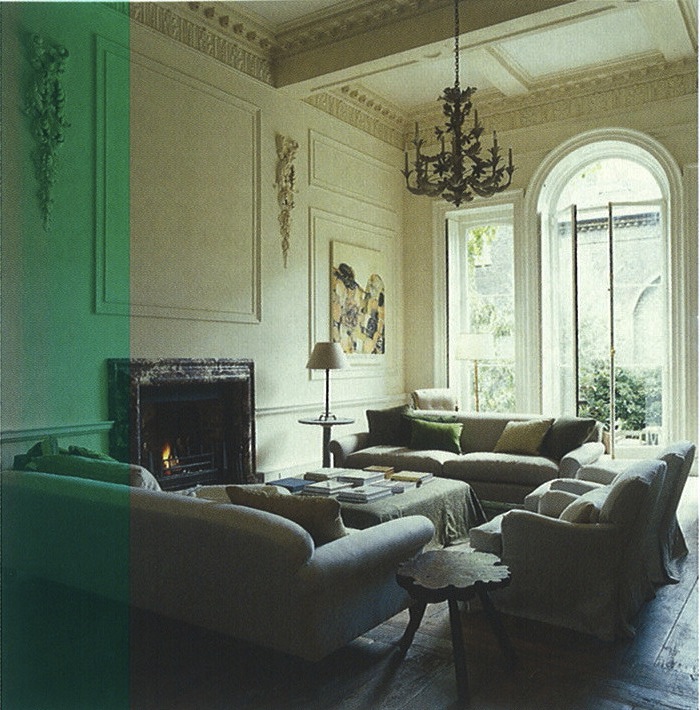
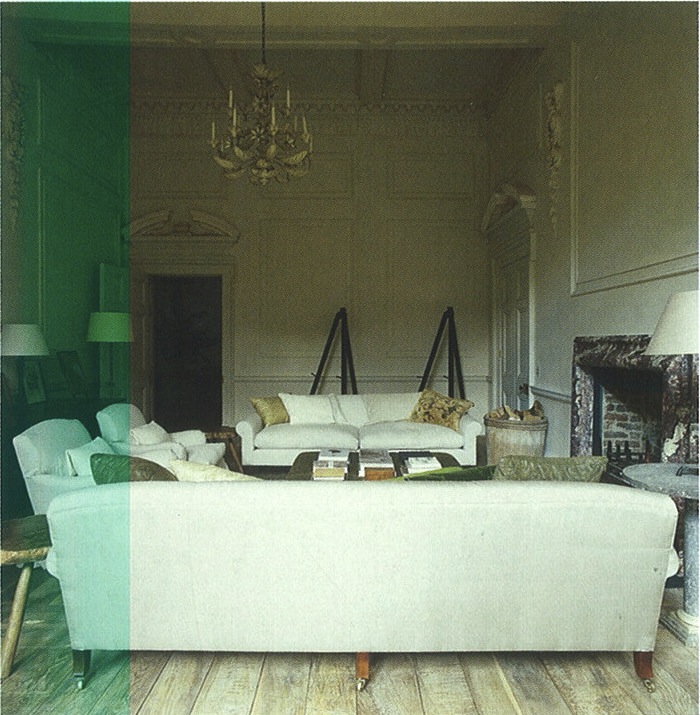
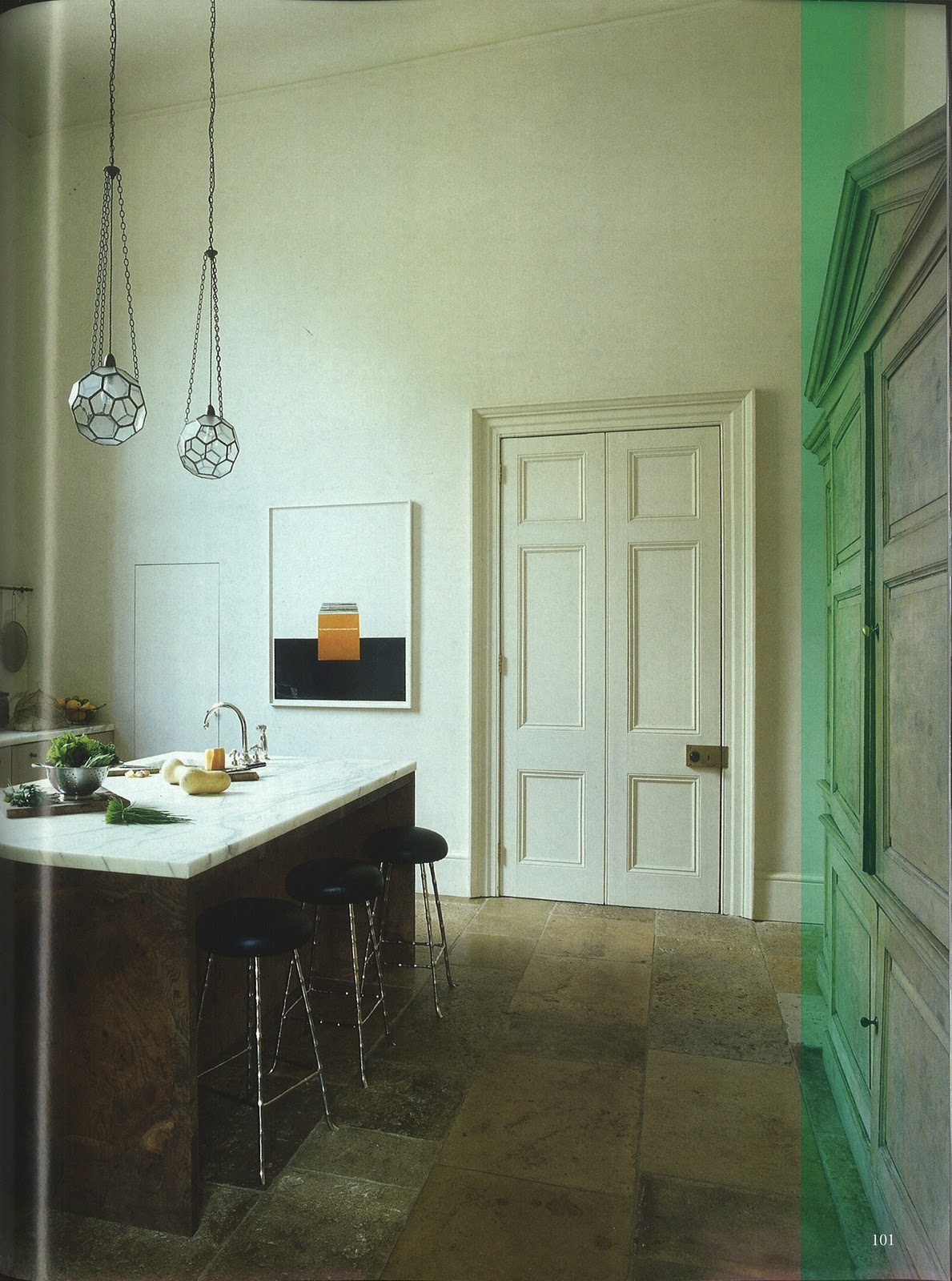
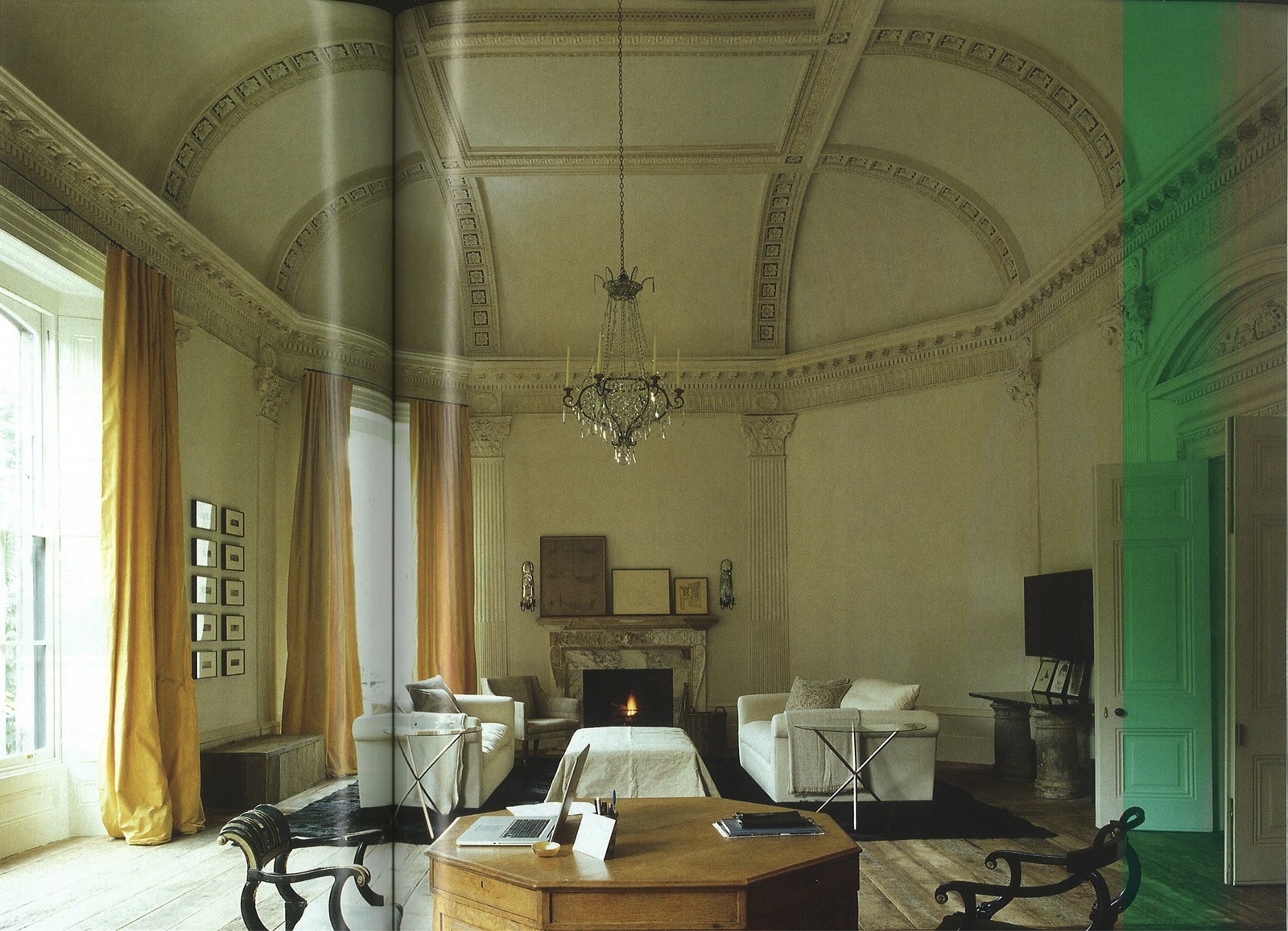
First off, let me say, clearly my scanner is having some difficulty. I apologize for the green lines on the photos – but I scanned these from the November 2011 issue of World of Interiors magazine, and it seems the two do not get along. That being said, below is what I believe to be an absolutely stunning home built in 1859 in London. Originally the home of a painter, the structure had bastardized over the years when used by a charitable organization for public space. Now after a painstaking restoration, by its owner and decorator Rose Uniacke, it is in full bloom again. 

My motivation behind showing you this house is that herein lies a perfect example of the spartan decorating that I alluded to in last week’s post, Are you a Spartan? or a Victorian? I love being a spartan in rooms where the architecture speaks for itself. Although this house is much larger and much more ornate than anything I might ever live in, Uniacke allows the architecture – the mouldings, windows, fireplaces, and staircase – to be the main focus of the experience within the house.  

I can’t decide which room is my favorite in all of these, although I do love the kitchen and the bathroom (to follow). Uniacke used reclaimed marble on the floor of the kitchen. 

Again, I apologize for the scanner difficulty, it won’t happen again – but how beautiful is this house? I really do love the understated decorating, the neutral color palate and the furniture that is clearly contemporary but references the past. What a way to bring 1859 to the 21st century. 

More Architecture