Charleston Classic

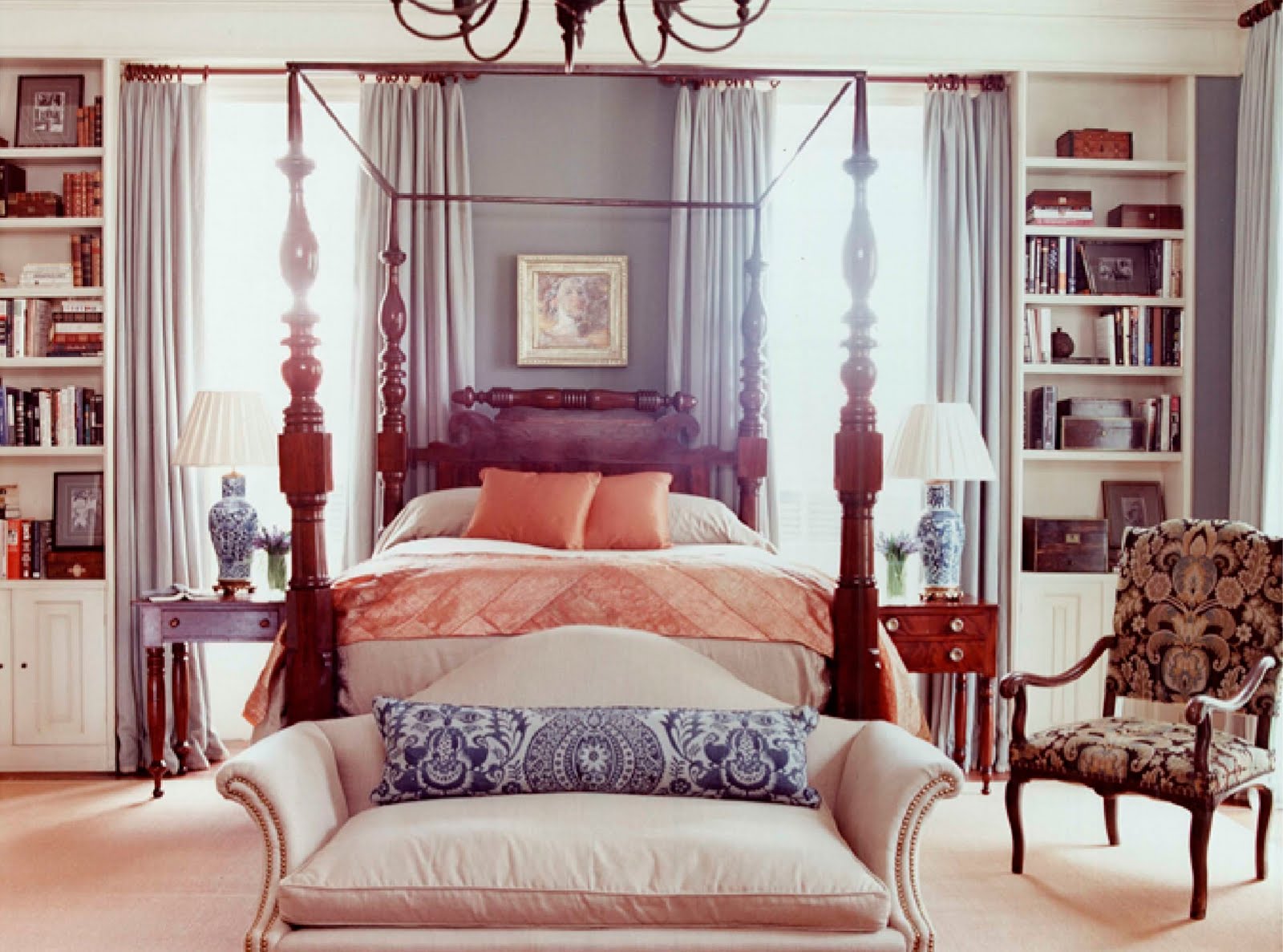
After my weekend in Charleston, I am feeling in a very Amelia Handegan mood. Based out of Charleston, this decorator, who often deals with historic homes, crafts the perfect blend of sophisticated and fresh designs.
This beautiful antique furniture, paired with a cool modern wall color, and chic patterned bolster pillow care the perfect combination in this traditional bedroom. 
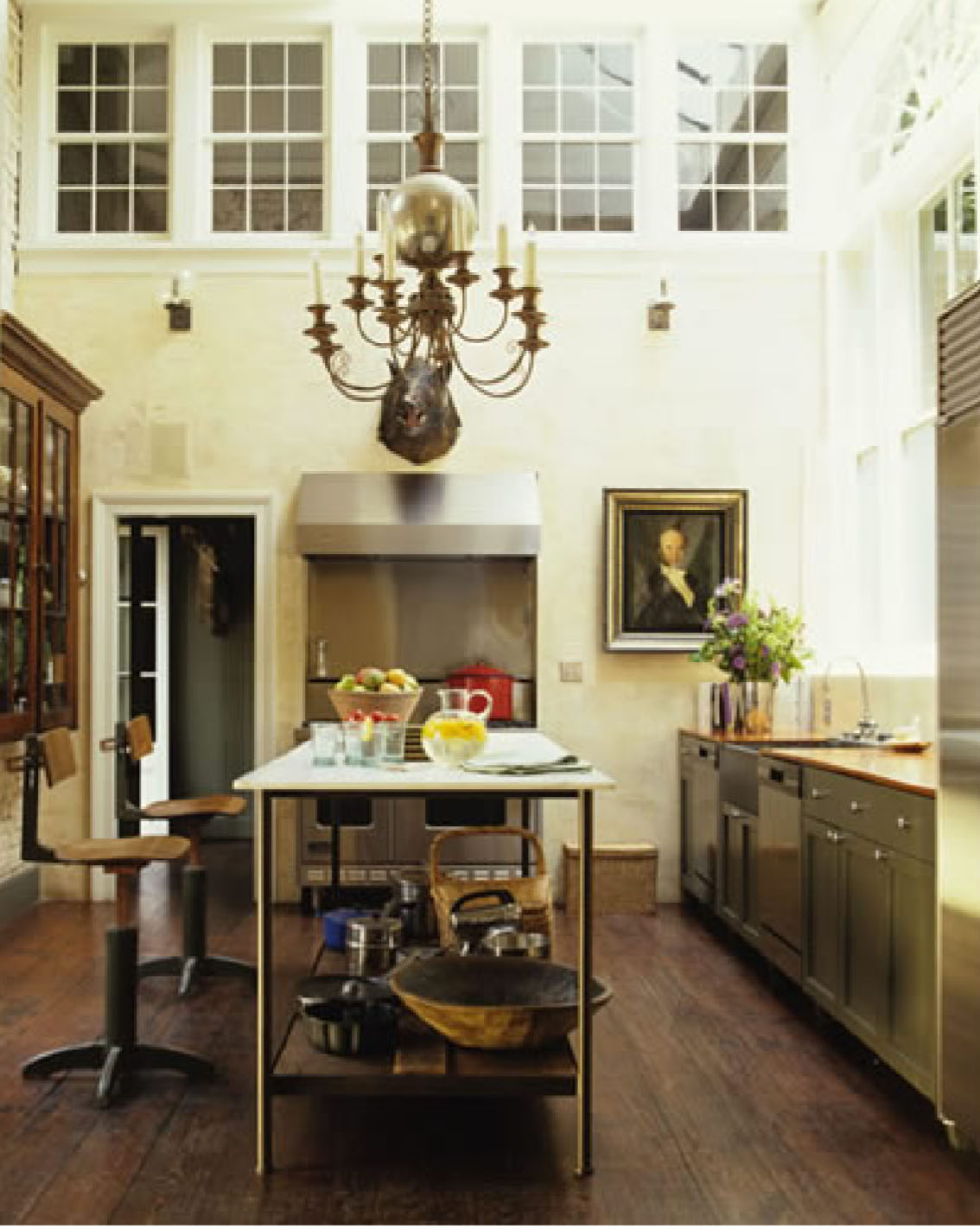
Recently I have really been loving formal historical portraits in kitchens. I love how light and airy this kitchen feels. 
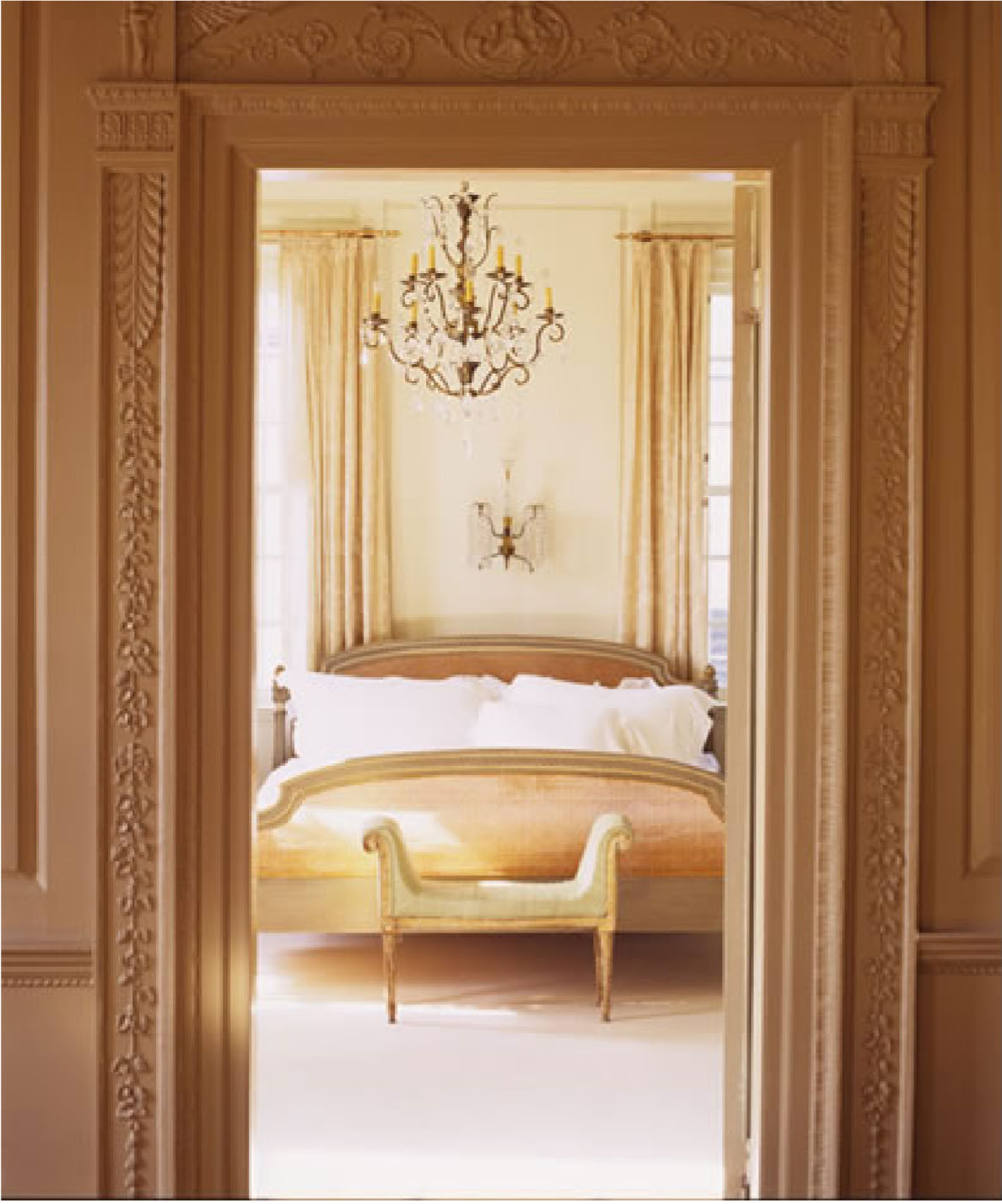
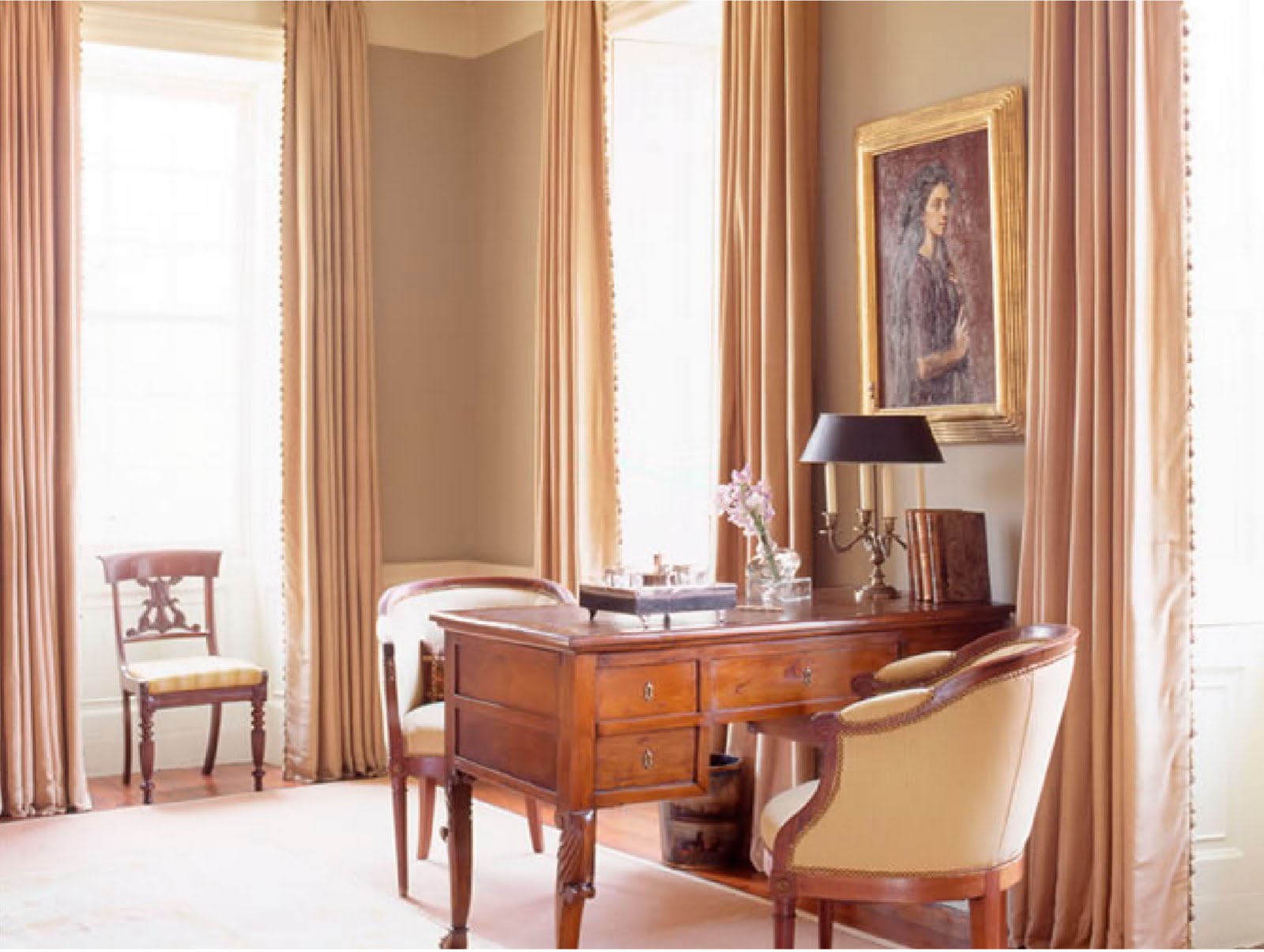
Although very traditional, the warm, neutral tones of this bedroom are more modern than 19th century. 
I love the Hicks-esque pattern on this bathroom floor. Handegan’s designs are always very paired down–fewer pieces, more simple designs that don’t require additional adornment. 
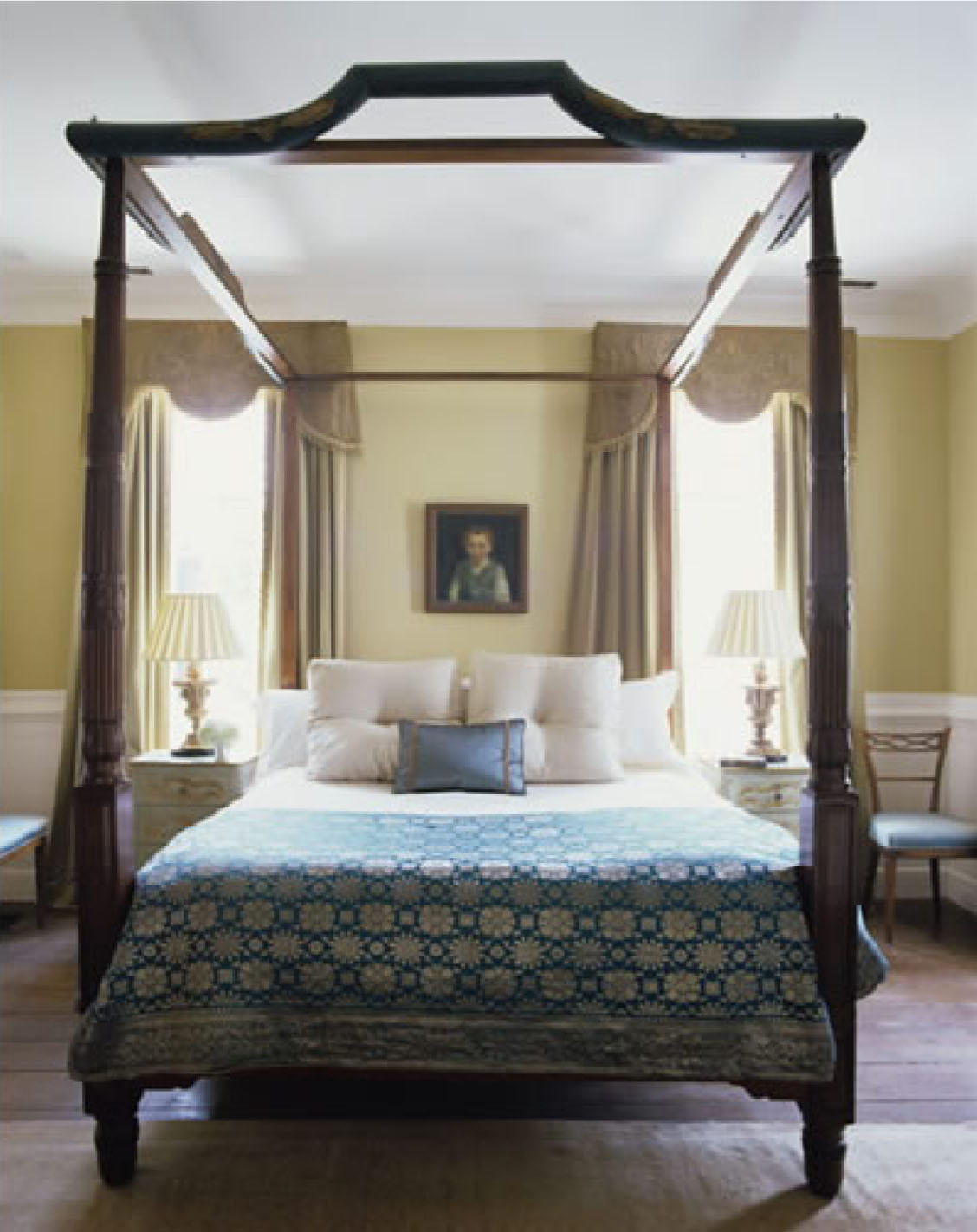
Again, the spartan nature of this bedroom, paired with this turquoise suzani is right up my alley. I also love the architectural nature of the valances.  
Antiques and neutrals. Less is more! I know that we are all on a bit of a Tony Duquette “more is more!” kick, but something about this really appeals to me. 
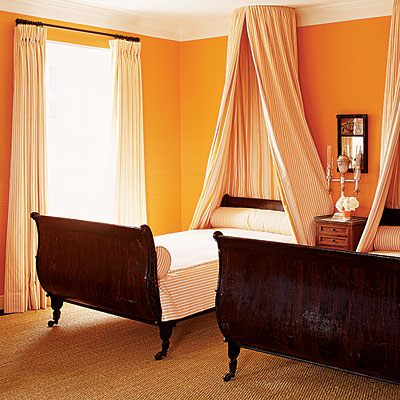
And finally, wall to wall sisal, orange ticking on the beds, and pumpkin on the walls–how fabulous is this? Traditional and yet indirectly modern. 

photos courtesy of athid.com and Southern Accents

More Designers

Through the Looking Glass

Miles Redd
So we are all very familiar with this photo of Miles Redd in his now famous David Adler designed mirrored bathroom, which was originally installed at the Armour residence outside Chicago. I adore this photo, and this bathroom, and it works perfectly today as my thoughts are running towards mirror. Specifically mirrored doors, and even more specifically french doors with mirrored panes instead of glass. 
chateauversailles.fr
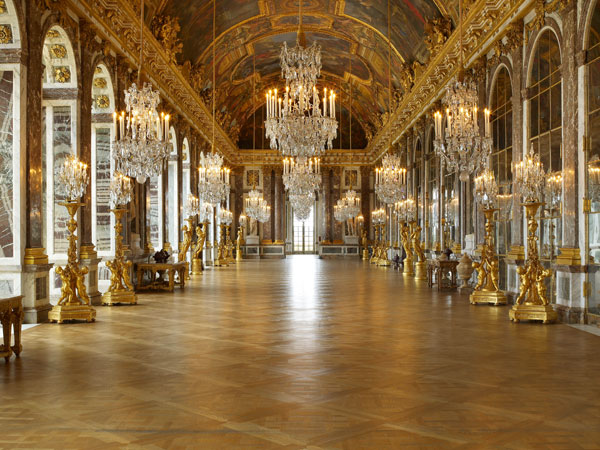
The Hall of Mirrors at Versailles. See how the mirrors on one side of the room are imitating the french doors at the opposite side of the room? I absolutely love this.   
Fairfax & Sammons
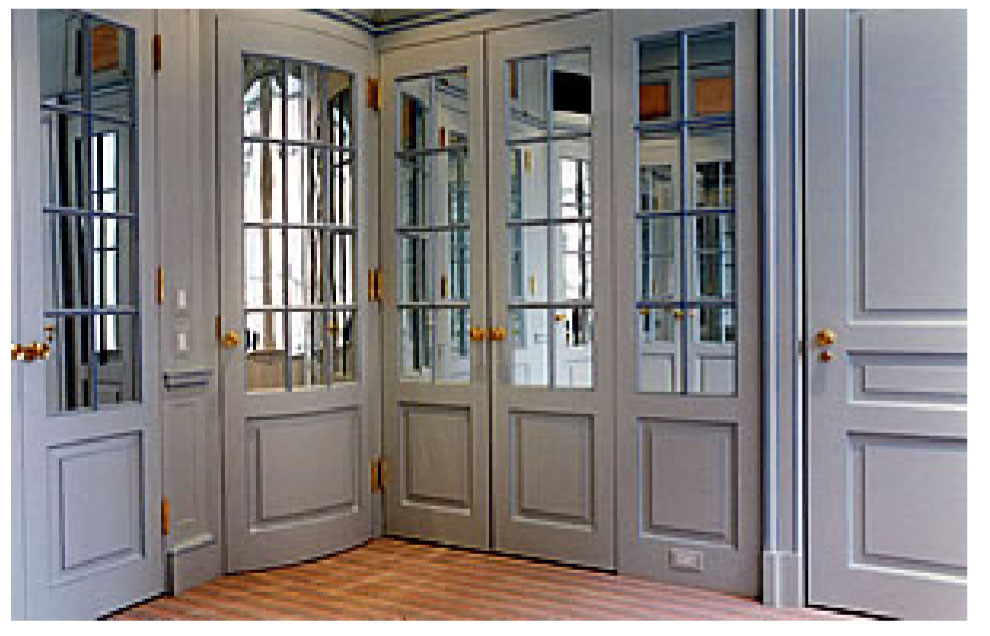
The idea behind a french door is that they let in light, and give a much more airy feeling than just simply installing a regular door. The trouble is, if you have things that you don’t want people to see behind the french door, it tends to look a bit messy. Here, in a Park Avenue apartment by Fairfax & Sammons, mirrored french doors are installed as closet doors. This way you get the architectural interest of a french door, without having to keep your clothes neat and tidy at all times. Very chic. 
House Beautiful
Although not french doors, here mirror is used in cabinet fronts in a small kitchen. The mirrors make the small kitchen feel larger, and yet you can still have a messy condiment cabinet! (for those of you whose condiment cabinet is not messy, please email me with tips!)
House Beautiful
In this bathroom, an armoire is faced in mirror and reflects the light beautifully, again concealing whatever is hidden behind its doors.  
House Beautiful
In this bedroom, the french door to the bathroom has mirrored panes. I think this is a lovely idea, especially when the door is open as it is here. It reflects the light coming in from the bathroom, creating a wonderful affect.  I also see a mirrored french door working well at the end of a hallway in an apartment, perhaps separating the private living spaces from the more public entertaining rooms. Knowing my pension for pocket doors, I would also double french doors with mirrored panes separating two rooms such as a living room and dining room or study.  

More Interior Design

Topiary Tales

House Beautiful
I love it when I get emails from blog readers asking me to fill them in on my opinion on a given aspect of design or certain DIY projects–its so flattering! This one comes from one of my favorite readers who wanted to know about house plants … when to use them, where to put them, and which ones to pick out. Unfortunately for my reader, I am not a huge fan of the house plant. Do you ever walk by those apartment windows where you just see a chaos of plants that are clinging on for dear life? That is my fear with house plants, so I tend to stay away from them as a general rule. Additionally, try keeping anything alive in an apartment! But one thing that I would advocate if you are looking to add something green and living into your decor is the topiary. 
House Beautiful
These two pictures, from the foyer of decorator Windsor Smith’s LA home, exemplify why I like topiaries. Green, clean, and architectural. Additionally, you have the opportunity to use a really chic pot, which can also enhance the room’s design. 
House Beautiful
Here, in the Newport Home of designer John Peixnho, he uses a cluster of miniature topiaries on a hall table, which helps to create good height, as well as add some green touches to the space. 
House Beautiful
In this Steven Gambrel designed kitchen, the topiaries take on a more modern feel, and seem to mimic the vertical light fixtures in the space. The topiaries on the table have more of a free-form shape than round, whereas the topiaries on the countertop have a more traditional rounded shape. One of the things that I love about topiaries is that they come in all shapes and sizes. So far, I have shown you both boxwood and myrtle topiaries, which are my favorite. However, a topiary can be made of many other things such as ivy, rosemary, lavender, and even fruit!
House Beautiful
In this living room by Jonathan Rosen, he has added topiaries that use wire to create a transparent globe shape. 
Now if you want to add that green and architectural element to your space that only a topiary can provide, but you worry about your lack of a green thumb, Lexington Gardens in NYC sells preserved topiaries. They are not faux, they are simply dried and preserved to look alive–you just don’t have to keep them alive. However, they are not giving these away … the miniature start at $95! 
Habitually Chic
Next door at Trelliage, Bunny Williams shop, you can get inspiration from her abundant use of topiaries, and then move on. If you’re anything like me, you cannot afford anything in there. People are typically not giving away topiaries,  at Lenox Hill Florist on the Upper East Side I was quoted a price of $45 for a small myrtle topiary, and at Century Florist in the same neighborhood I was quoted $50. This is not cheap, but could be considered reasonable, as places such as Plaza Florist, who are considered topiary experts, will charge far more than that. 
House Beautiful
If you want to add a topiary to your decorating scheme, I would go out and scour the neighborhood doing a price comparison. Call around and go to different places, but I would avoid the shops that advertise as topiary experts–that translates to expensive topiary! To my reader who asked me the question, I hope this helps!

More Garden/Floral